
Festival of the Month ~ Brought to you by the KS4 Language Leaders
Published 20/11/24
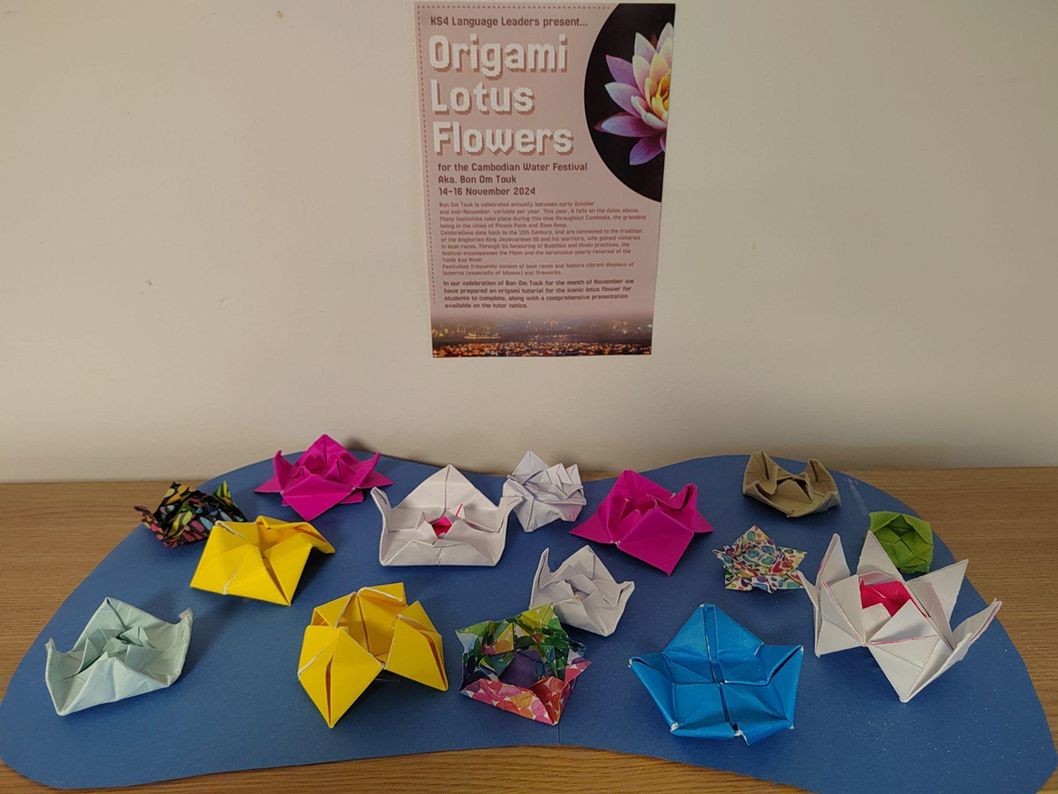
Bon Om Touk is celebrated annually between early October and mid-November in Cambodia. This year, Bon Om Touk is taking place from the 14th to 16th November.
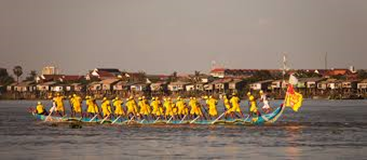
It marks the end of the Monsoon Season in Cambodia AND it celebrates the change in direction of the Tonlé Sap River. (It is the only river in the world that flows up and downstream seasonally and is viewed as a miracle).

To celebrate, there are: boat races with boats decorated to represent the Hindu and Buddhist gods of the Moon and River, lanterns honoring the full moon adorn the riverbanks, fireworks, traditional costumes and special food such as Ambok, a rice dish served with roasted banana and coconut.
Caitlin Gorman, Year 10

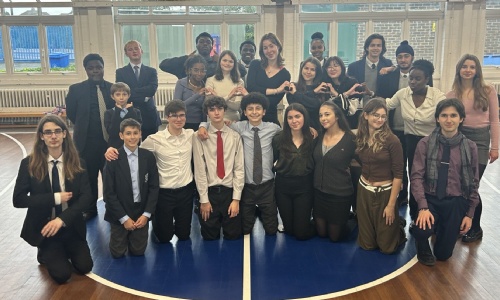
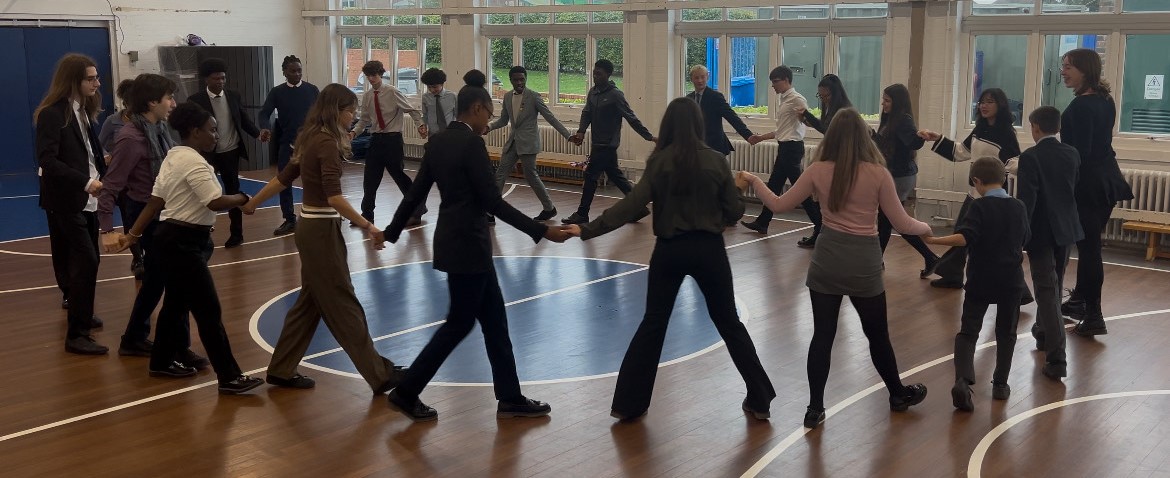
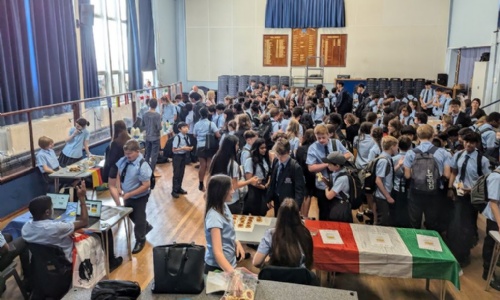
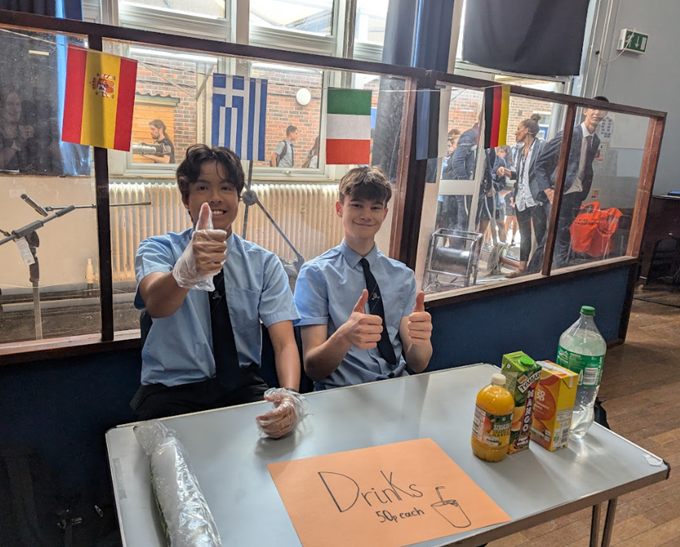
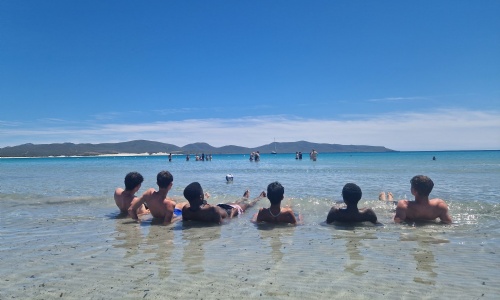
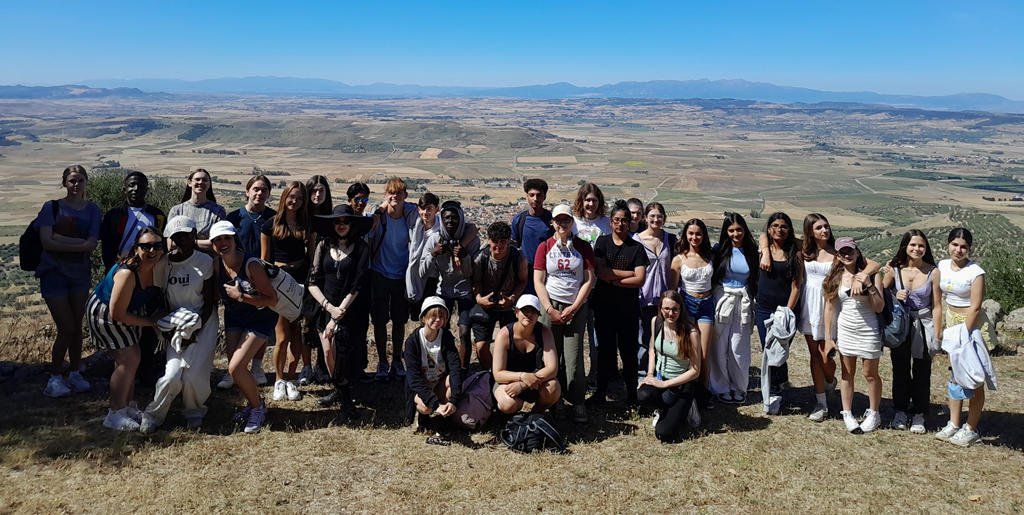
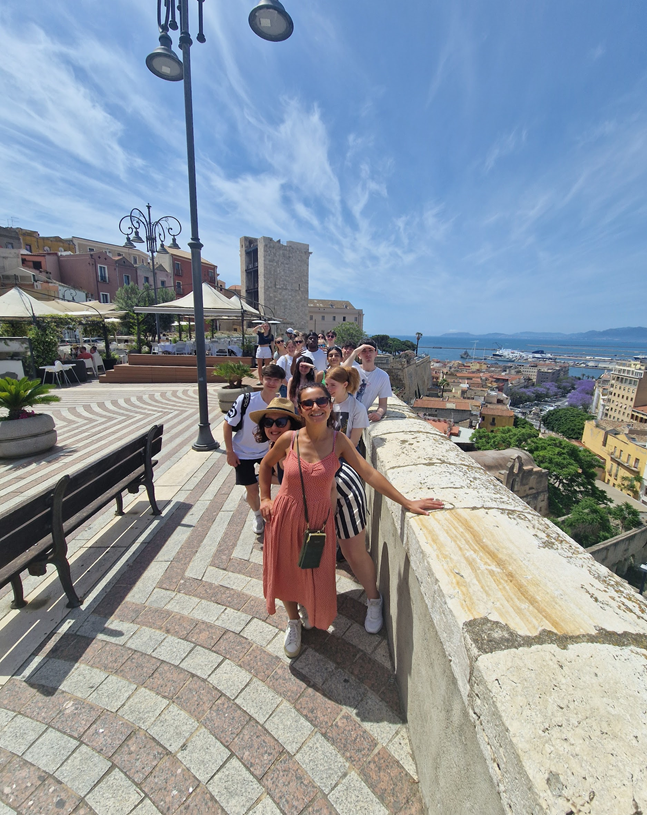
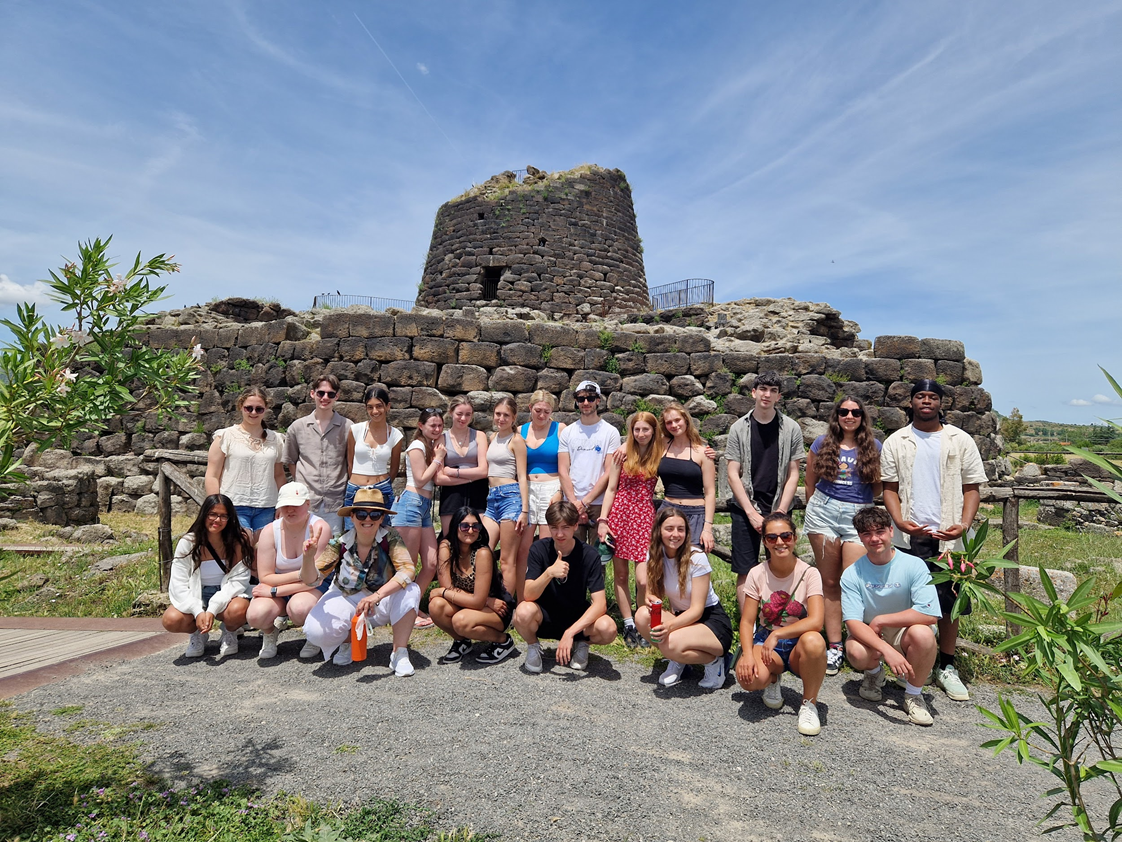
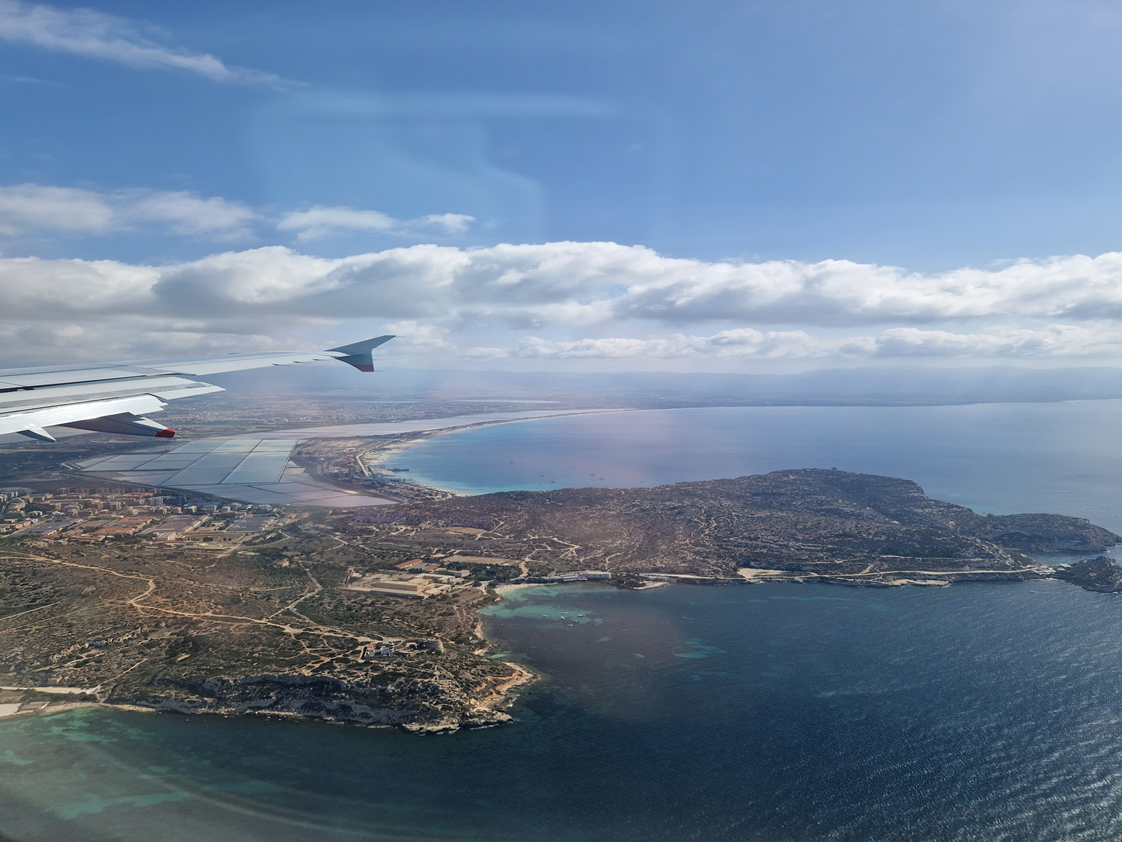 We stayed with an Italian family in Ms Contini’s home town of Isili, which was perhaps the most memorable part of our trip. Their warm hospitality and delicious home-made meals made us feel right at home.
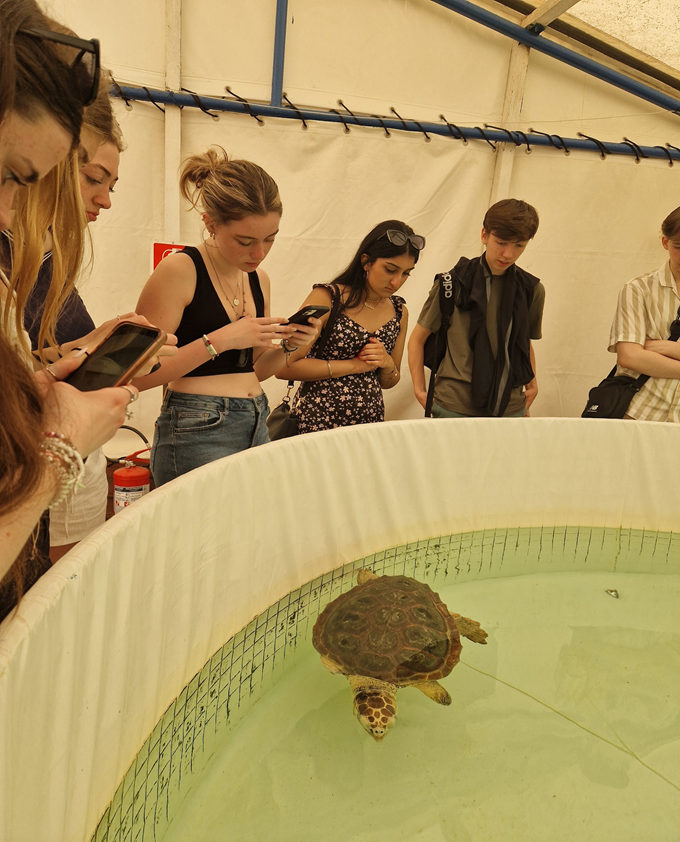
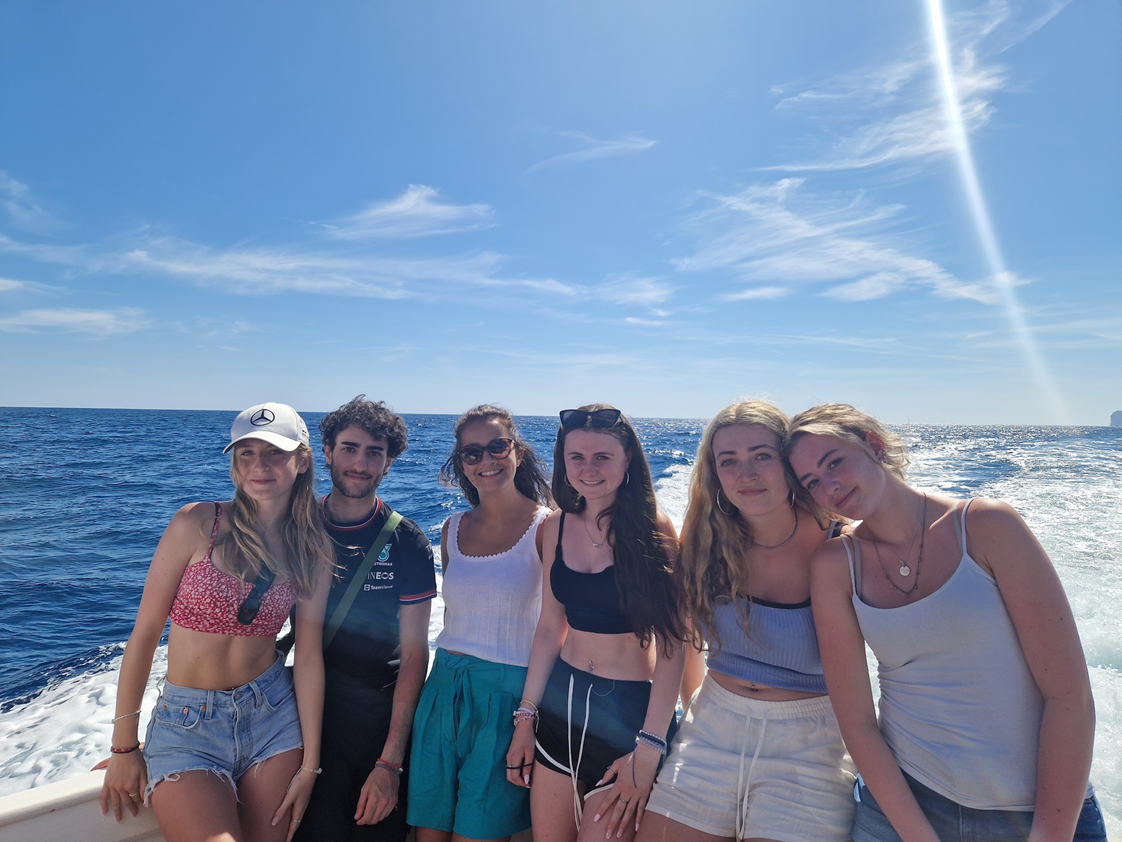
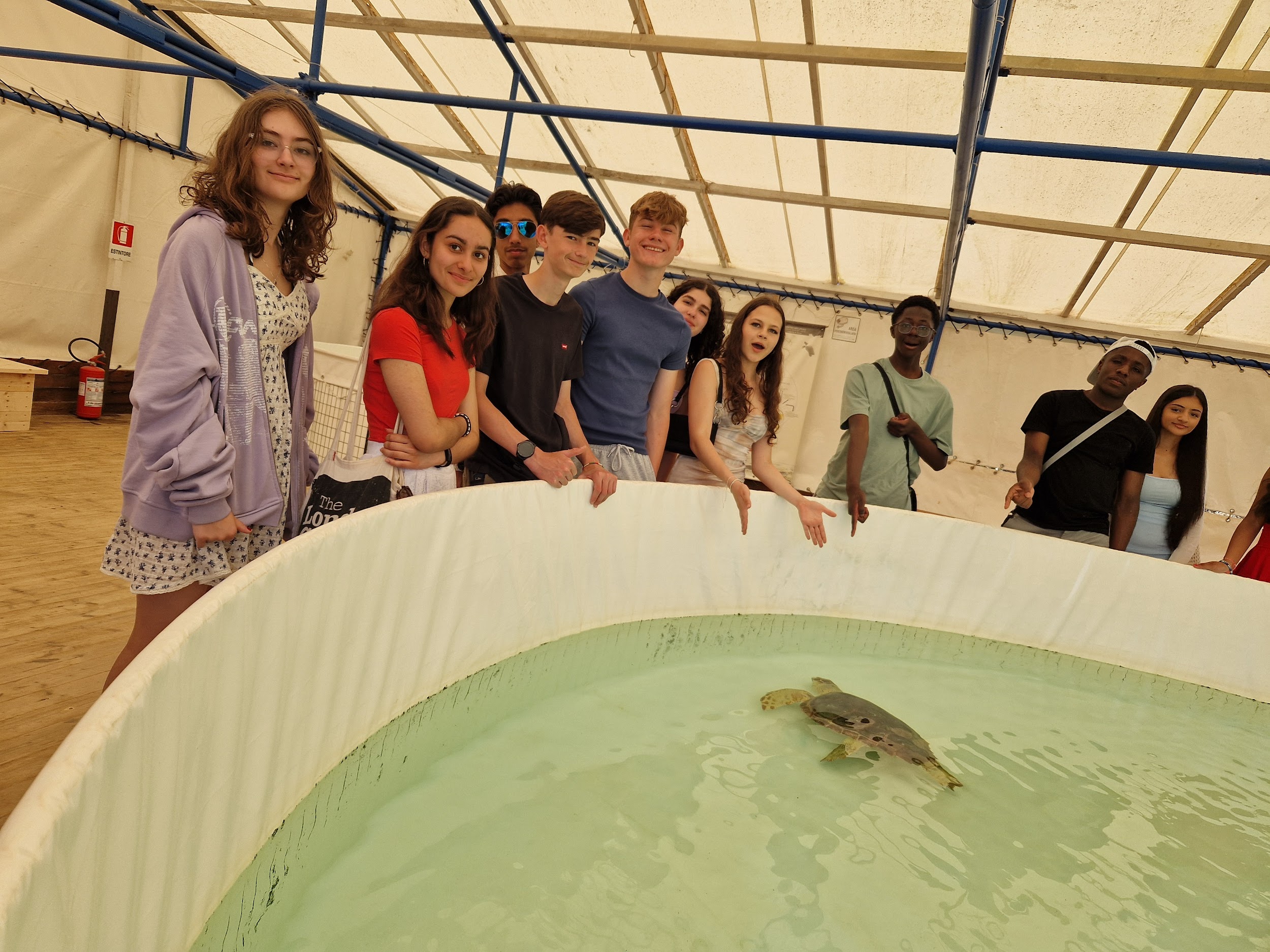 A particularly heart-warming visit was to Centro Cetacei marine animal rescue centre in Nora. Seeing the dedication of the volunteers and the recovery of the animals touched us deeply. Eating a home-made lunch by Nora beach enlightened us, and we enjoyed the hot weather and clear waters.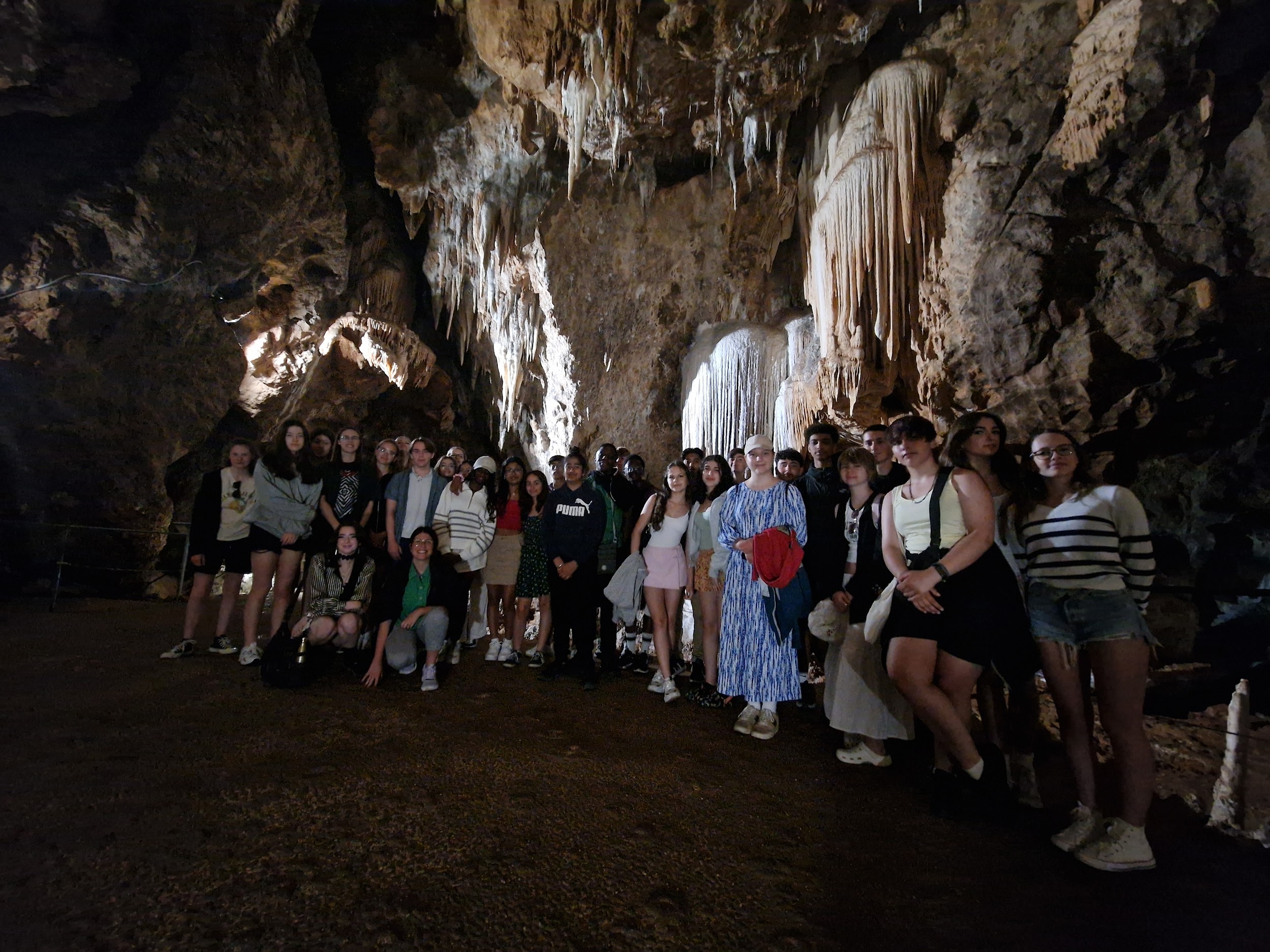
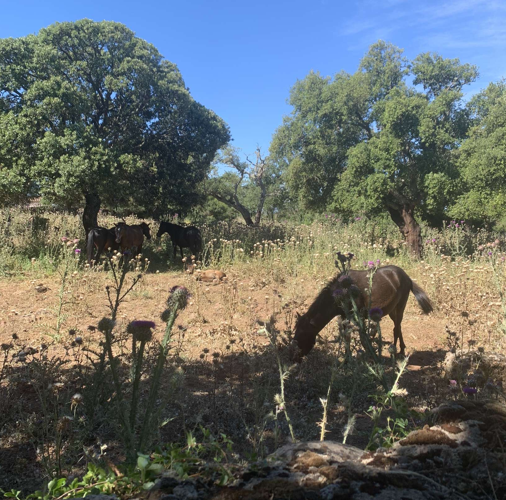 On the last day, the natural beauty of Sardinia was on full display during our visit to Giara National Park, where we were surrounded by lush landscapes, stunning vistas and the largest population of wild horses in Europe.
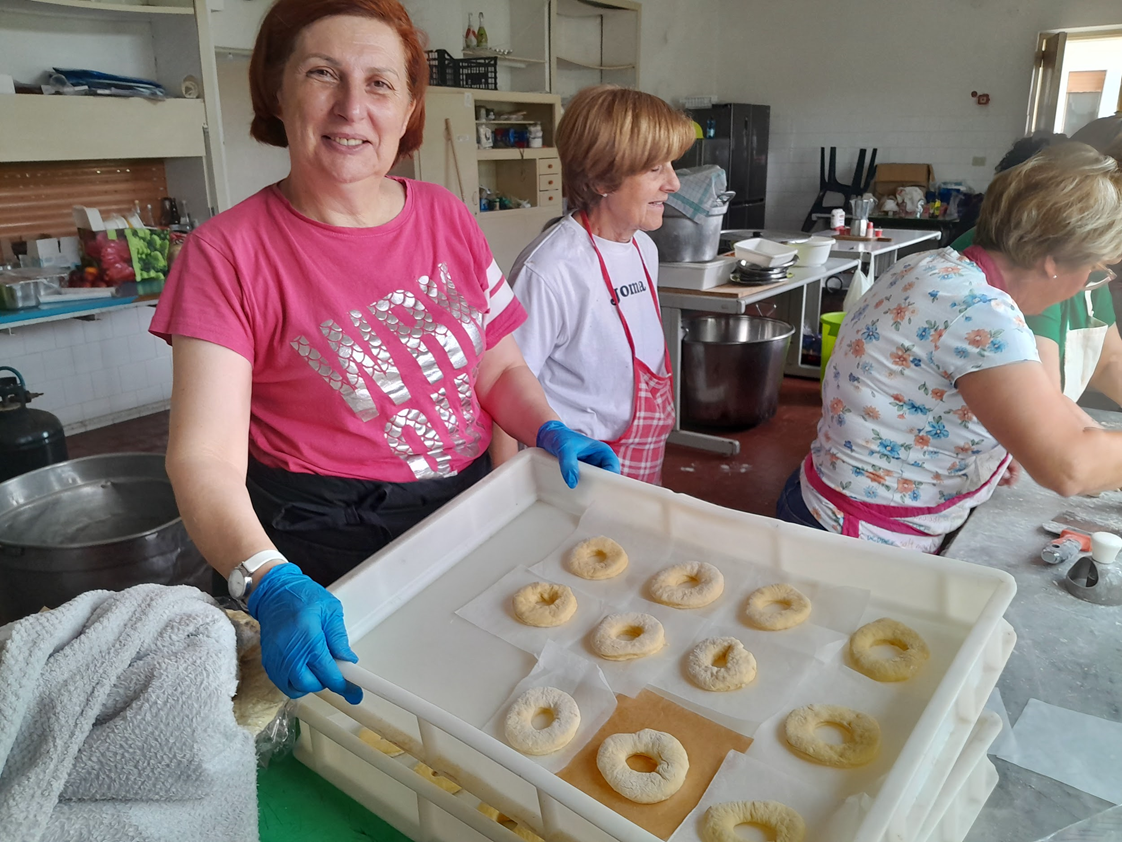 Staying with my host family in Sardinia was an amazing experience. They were very welcoming and friendly. One cultural difference I noticed was how they enjoy long, leisurely meals together, which made me feel very much at home.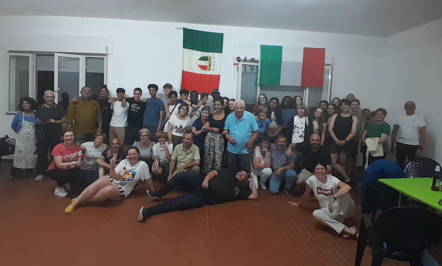

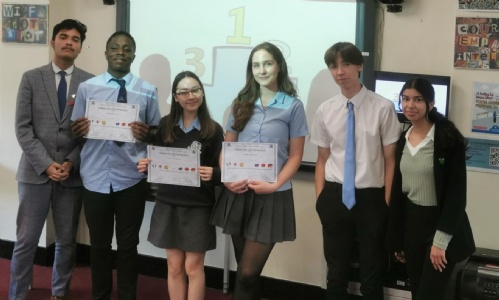
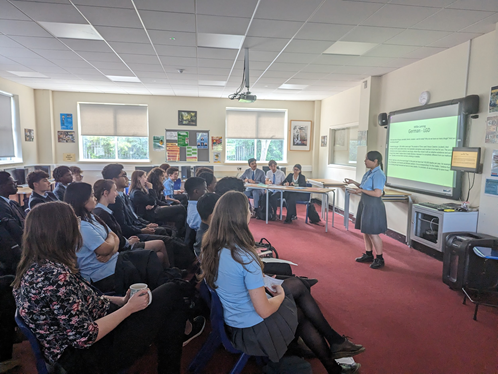
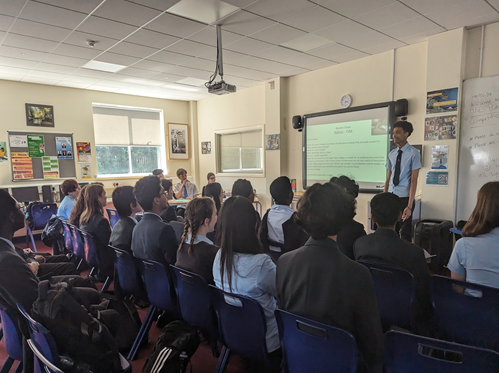
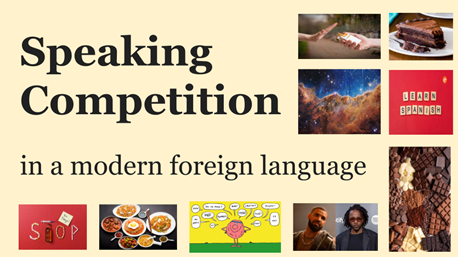 We extend our gratitude to all nine participants and their friends for attending the finale with such a positive attitude, and to our judges - Sifat, James, and Jasreen - for their time and professionalism.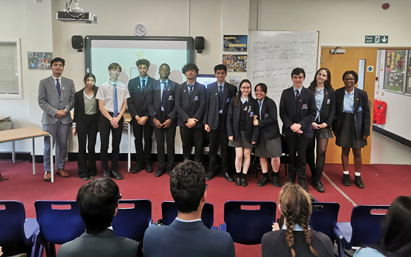

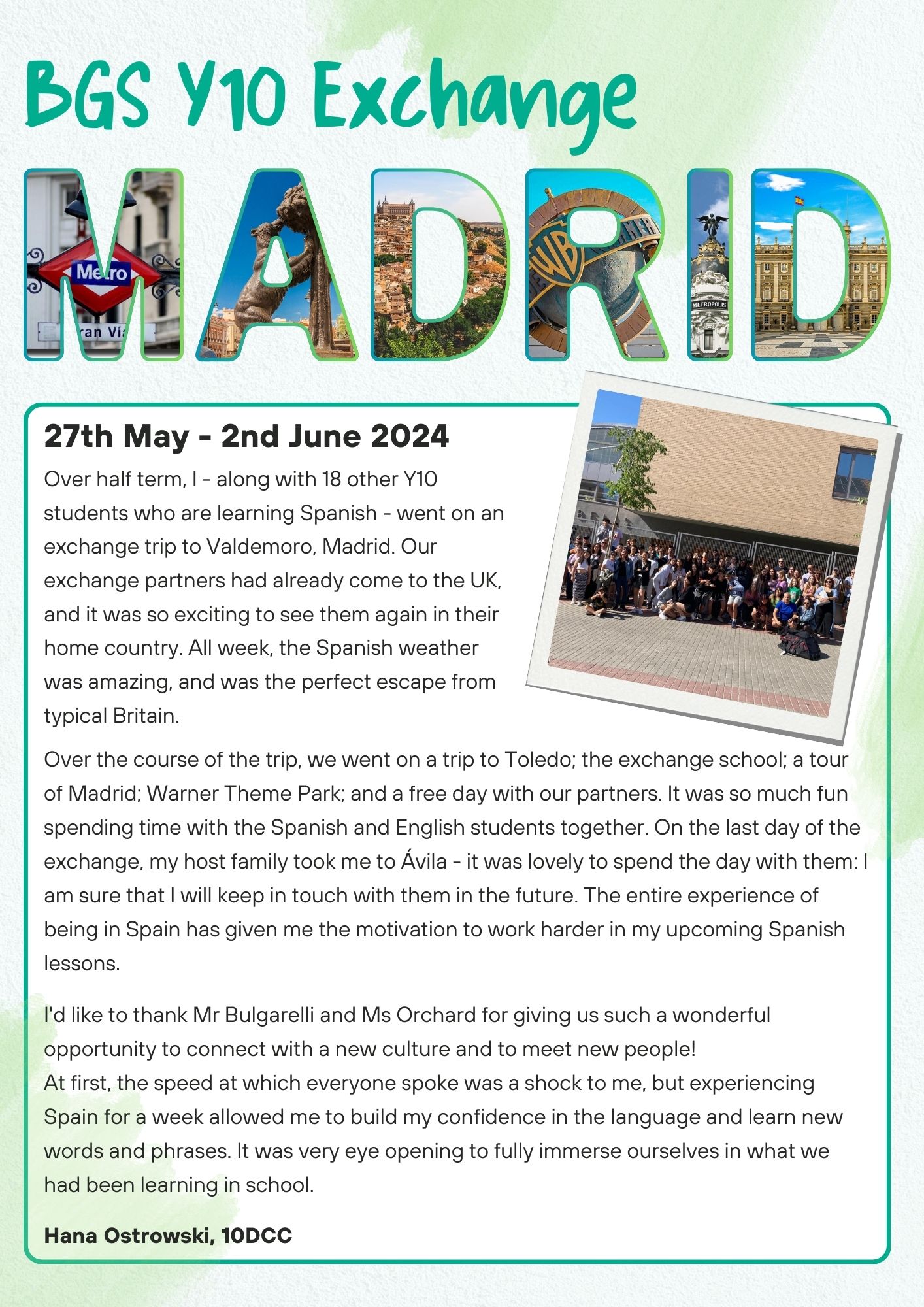
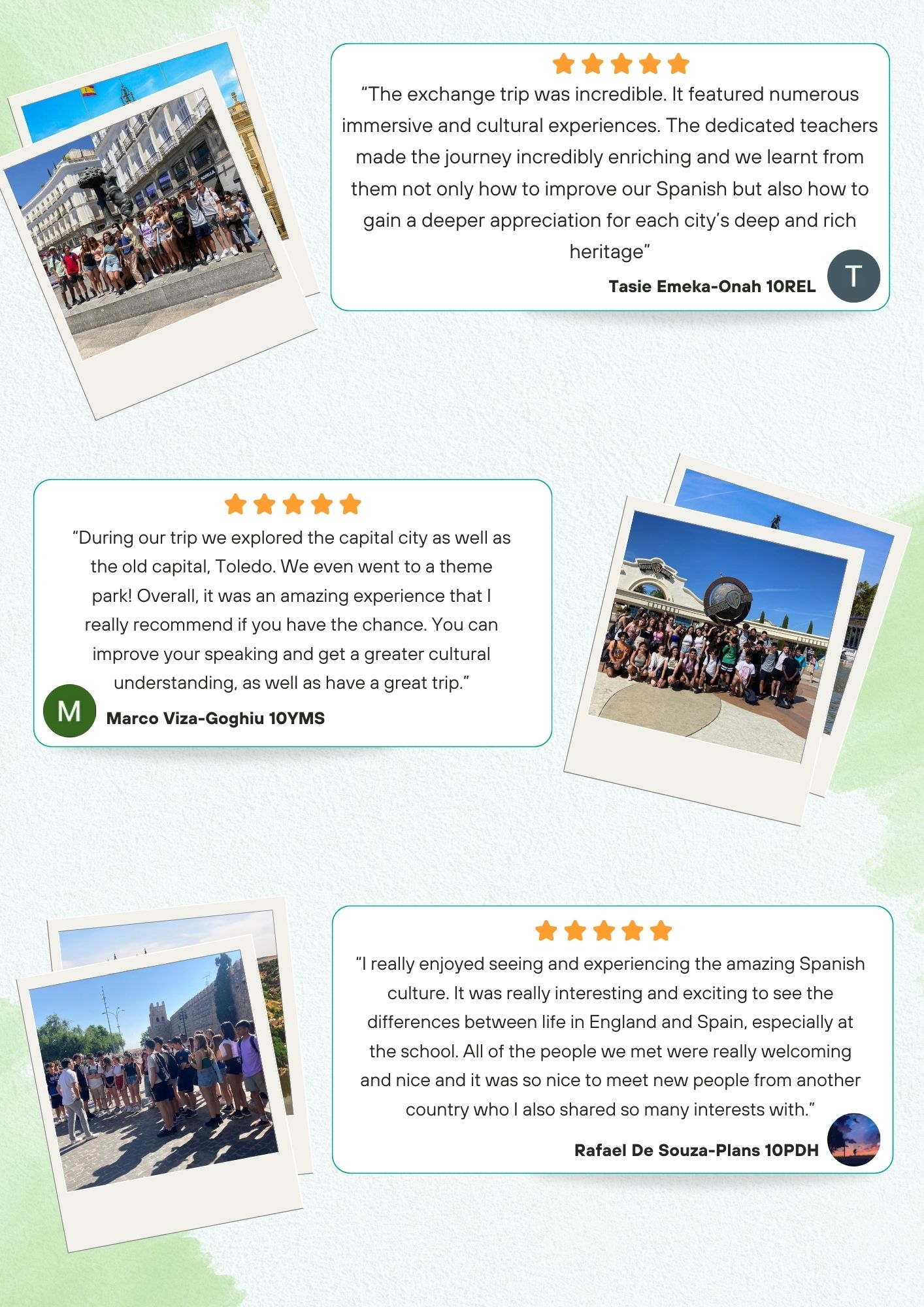
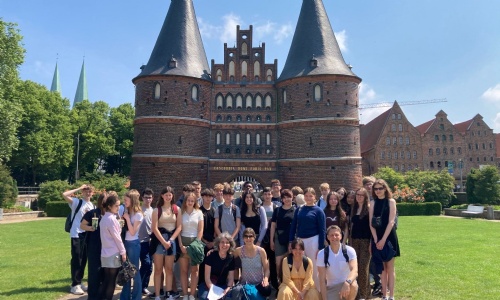

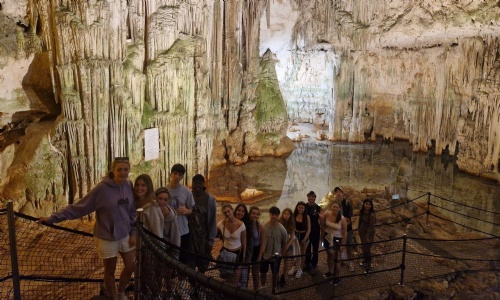

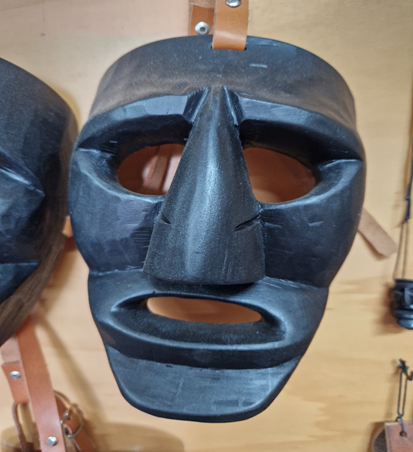 The following day, we took a long bus ride to the heart of Sardinia, to learn all about the carnival traditions of Mamoiada, focussing specifically on the Mamuthones masks. We learnt about the important functions of these masks parading the streets in winter, on the day of Saint Anthony, to cast away evil spirits that would threaten the harvest, and also to ward off death and sorrow and look forward to spring. We visited the workshop of a mask maker, who explained in detail how masks are made and the importance of Mamuthones for the identity of the people of Mamoiada today.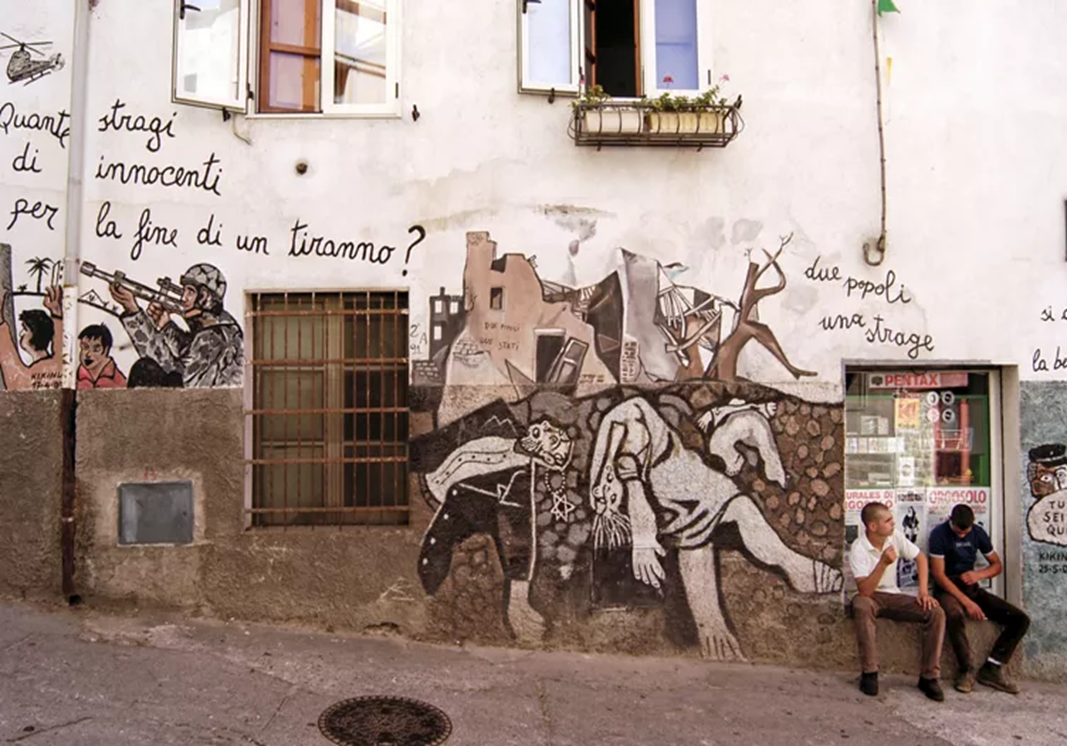
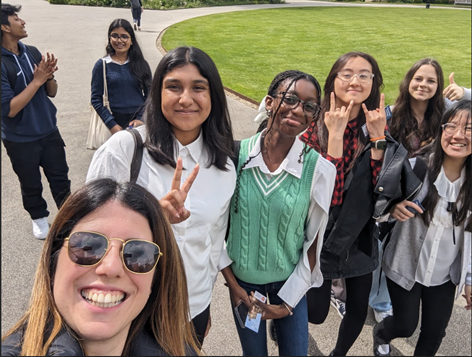
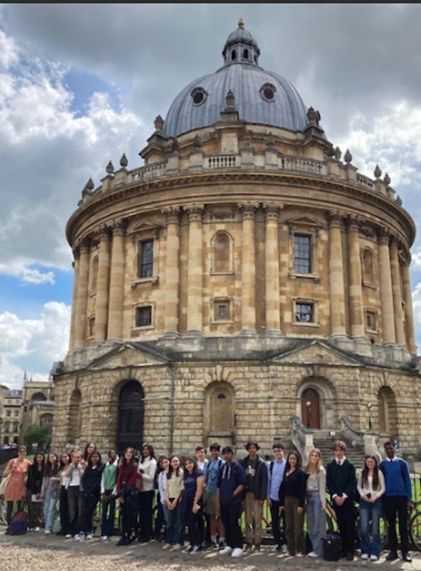 In May, the MFL Department ran their very first MFL trip to Oxford University with a selection of our Year 10 and Year 12 linguists. The focus of the trip was to give our most enthusiastic linguists a glimpse of the opportunities that studying languages at university could open, especially when combined with another subject in joint degrees. On the day, students had the chance to attend some very informative sessions led by Nicola Brown, School Liaison Officer at the Faculty of Medieval and Modern Languages, and Sarah Large, Outreach Program Coordinator at Mansfield College. After a taster lecture in literature, our group met two BGS alumni, Lucas and Harry, for a private tour of Hertford College.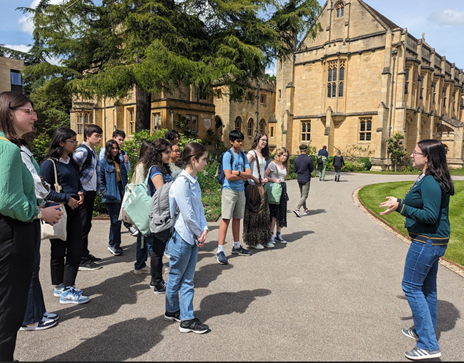

.png)