Careers in Languages evening at St. Dunstan's College
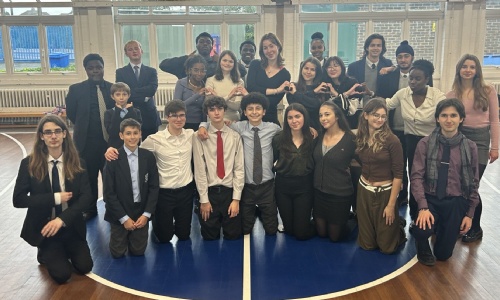
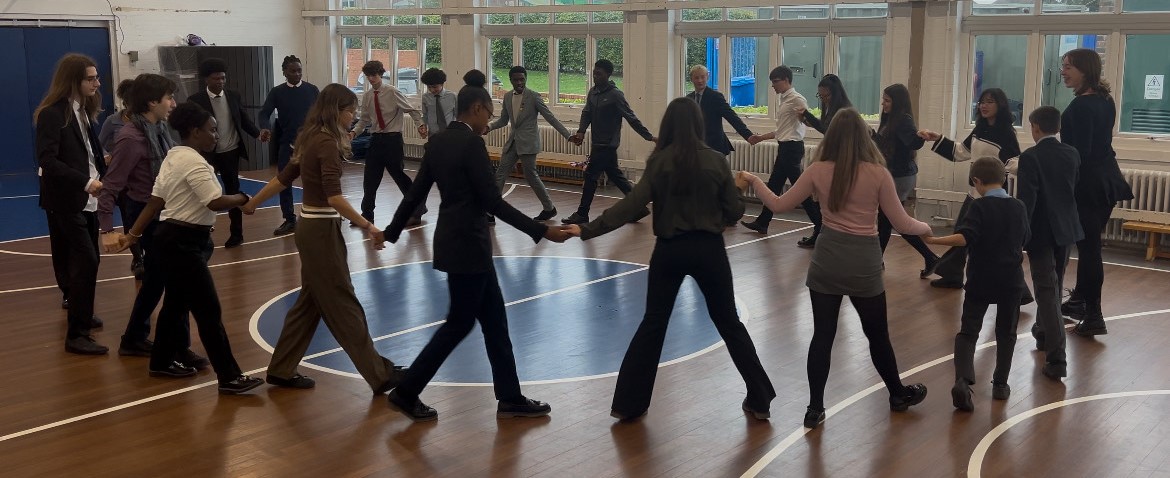
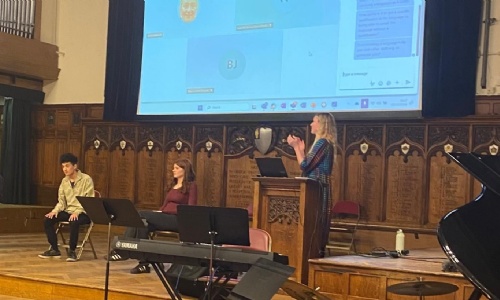
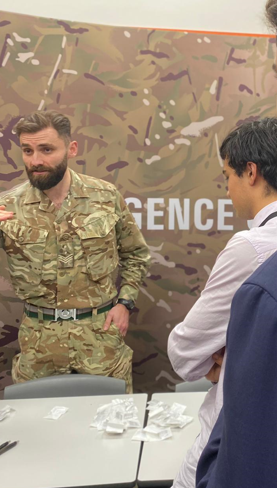 On a crisp, cold December evening, an enthusiastic group of Year 11, 12 and 13 linguists visited St Dunstan’s College in Catford and were treated to a 'Careers in Languages' evening. The event was billed as a chance to attend an inspiring evening to unlock a world of opportunities with languages. Students explored the diverse and rewarding career paths that language skills can open up. They discovered many incredible opportunities listening to speakers from top organisations such as GCHQ, Military Intelligence, the Foreign Office, and the UN. They also heard first hand from a panel of current language undergraduates, who shared their experiences of studying languages at university. Additionally, they had the opportunity to take part in a fascinating taster session of Japanese, hosted by Kings Language Centre. Many BGS students came away inspired about future career possibilities of which they had not been aware prior to the evening.
Mrs Watkins, MFL Department
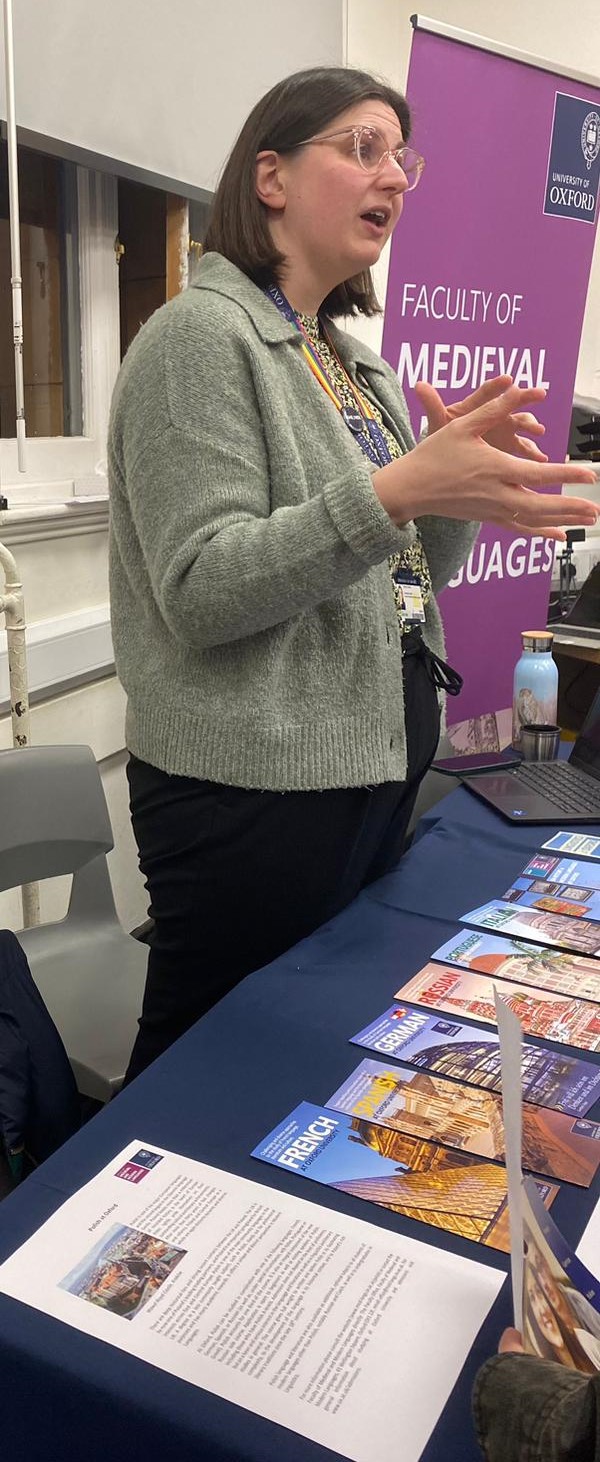 The trip to St Dunstan's was amazing! At the beginning of the event, we listened to a presentation by a group of people who are currently studying languages at university and using them in their jobs. It was very interesting as we also found out about different job ideas, such as working with GCHQ, MI5 and MI6. I had such a good time looking at the different stalls, where we were also given freebies too! The school was so grand and it was overall an amazing experience!
Gracie Gosling, Year 12
I really enjoyed the language trip to St Dunstan's - we enjoyed a variety of talks from a range of people using languages daily in their work and I found it fascinating to see the variety of ways that languages can be used in work. Translators aren't the only jobs, there are many others, such as GCHQ Language Analysts, Hotel Managers and many others. It gave an amazing insight into the pathway languages can give you in the future and I feel privileged to have been given the opportunity to take part.
Rafael De Souza-Plans, Year 11

Tuesday brought an exciting opportunity for Bexley Grammar School MFL department, in collaboration with St Dunstan's College, who provided an amazing event on the subject of careers in languages. The night was a fantastic, information-filled evening where I got to hear from many linguists, such as a representative from the United Nations, members of the British Army - Intelligence Corps, GCHQ, university students and graduates, business owners, teachers and more. I think the most interesting moment for me was the question panel at the end!
As someone who is hard of hearing, and fascinated by sign language around the world, I thought it would be interesting to hear if any of the professional linguists had any interaction with foreign sign languages. The silence after I had asked this question was powerful, as all the best linguists that could be brought to the career evening expressed their bewilderment and interest in sign language, but none had learnt any sign in the over 300 sign languages in existence, that provide over 70 million people with communication in the world. This question also led to some fascinating personal conversations, including with some of the panellists about my experiences with language and communication. I hope this spreads awareness to all present in the evening, and those reading this, about the prevalence of sign language around the world.
Louis Luckman, Year 11

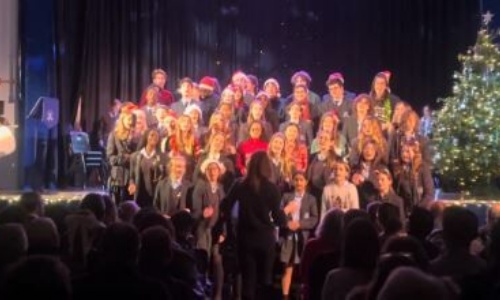
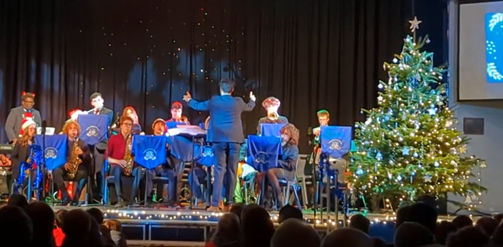
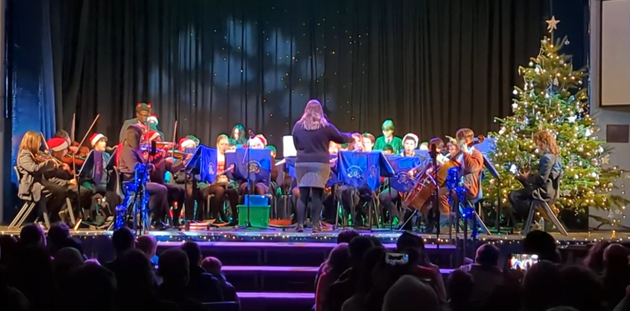
 Wednesday 4th December, saw the annual Christmas Concert by the Music Department after another term packed with weekly rehearsals from all ensembles, culminating in a brilliant display of musical talent. We invited all ensembles to perform, right the way through from our beginner brass group to our more seasoned ensembles, like the Senior Choir, Symphony Orchestra and Improv Group. There was such an array of musicality on stage, and it was clear that all the students thoroughly enjoyed being a part of the night - well done to everyone who performed, and a special thank you to everyone who was involved in the planning and running of the night. Have a listen to a few minutes of highlights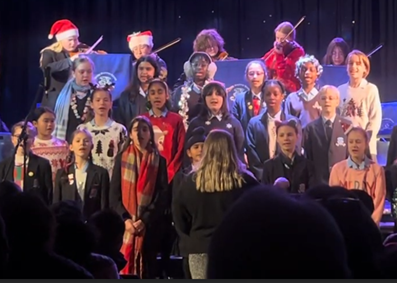
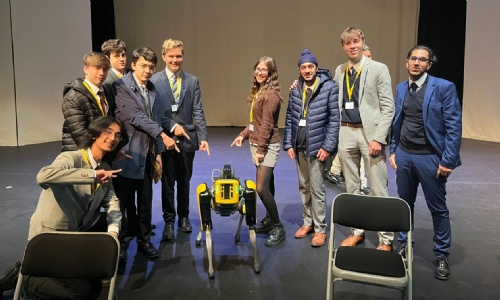
 A huge thank you to the physics department for this amazing opportunity. We have all learnt so much, and I definitely want to explore aerospace engineering more in the future...
.JPG)


.jpg)
.png)
 It’s a common misconception that economics is boring and too complex for the average person to understand. I remember speaking to my particularly talkative hairdresser about studying economics, to which she replied “I could never study that” and “It’s all just a bit confusing really”. And while I don’t deny that economics can be challenging, I also believe that economics IS for everyone and that it can be applied to our daily lives much more than you might think.


 We caused many problems for the other team and Jayden scored a good goal in the second half after good team play, but unfortunately we couldn’t triumph over them as Harris was too strong. It was a great match and the boys will remember it as a brilliant display of skill and talent.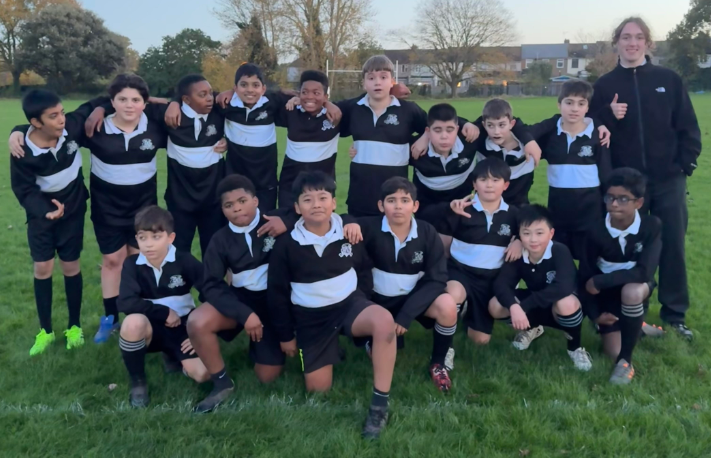



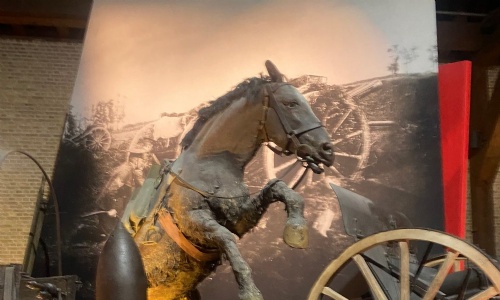
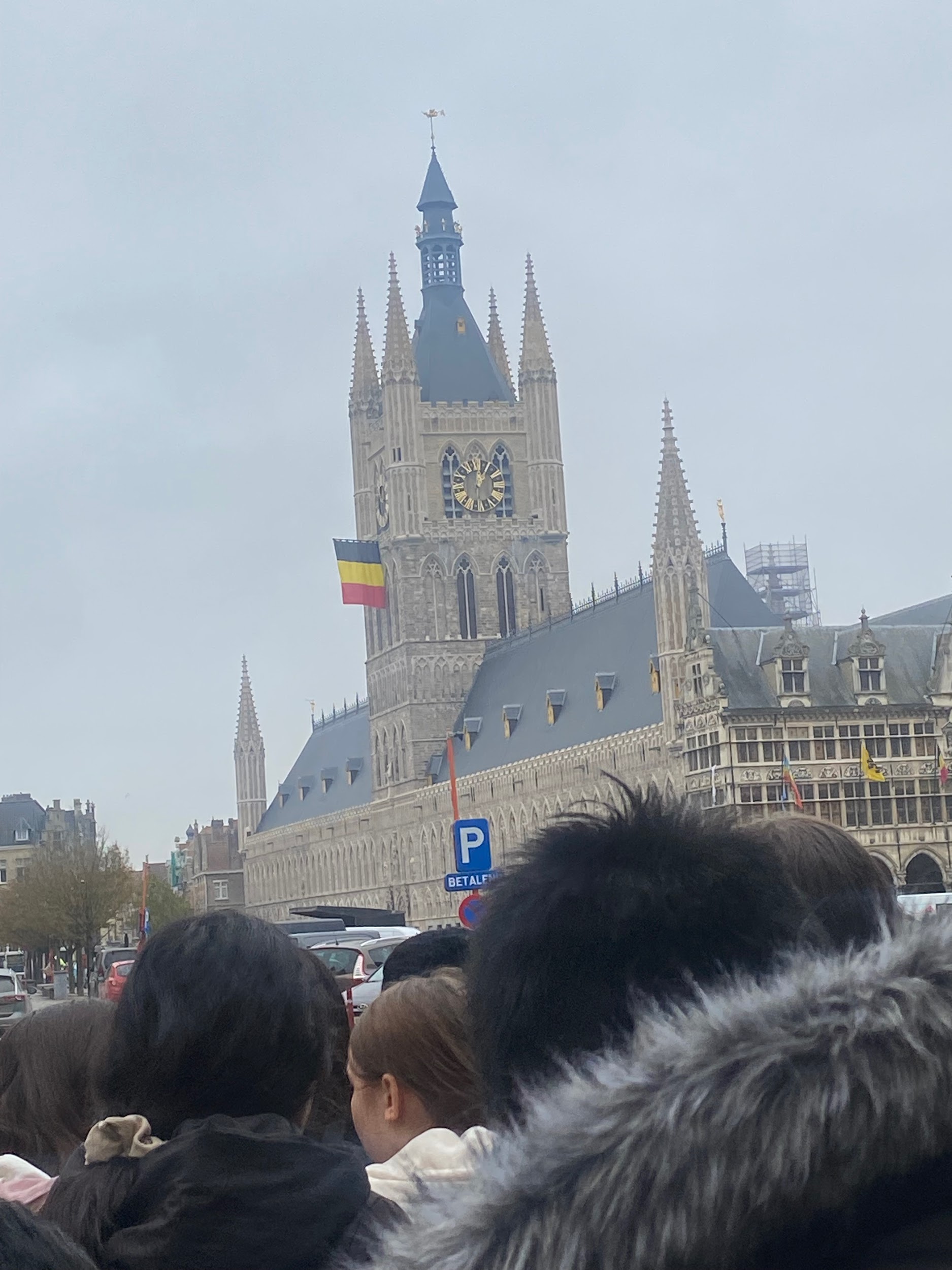
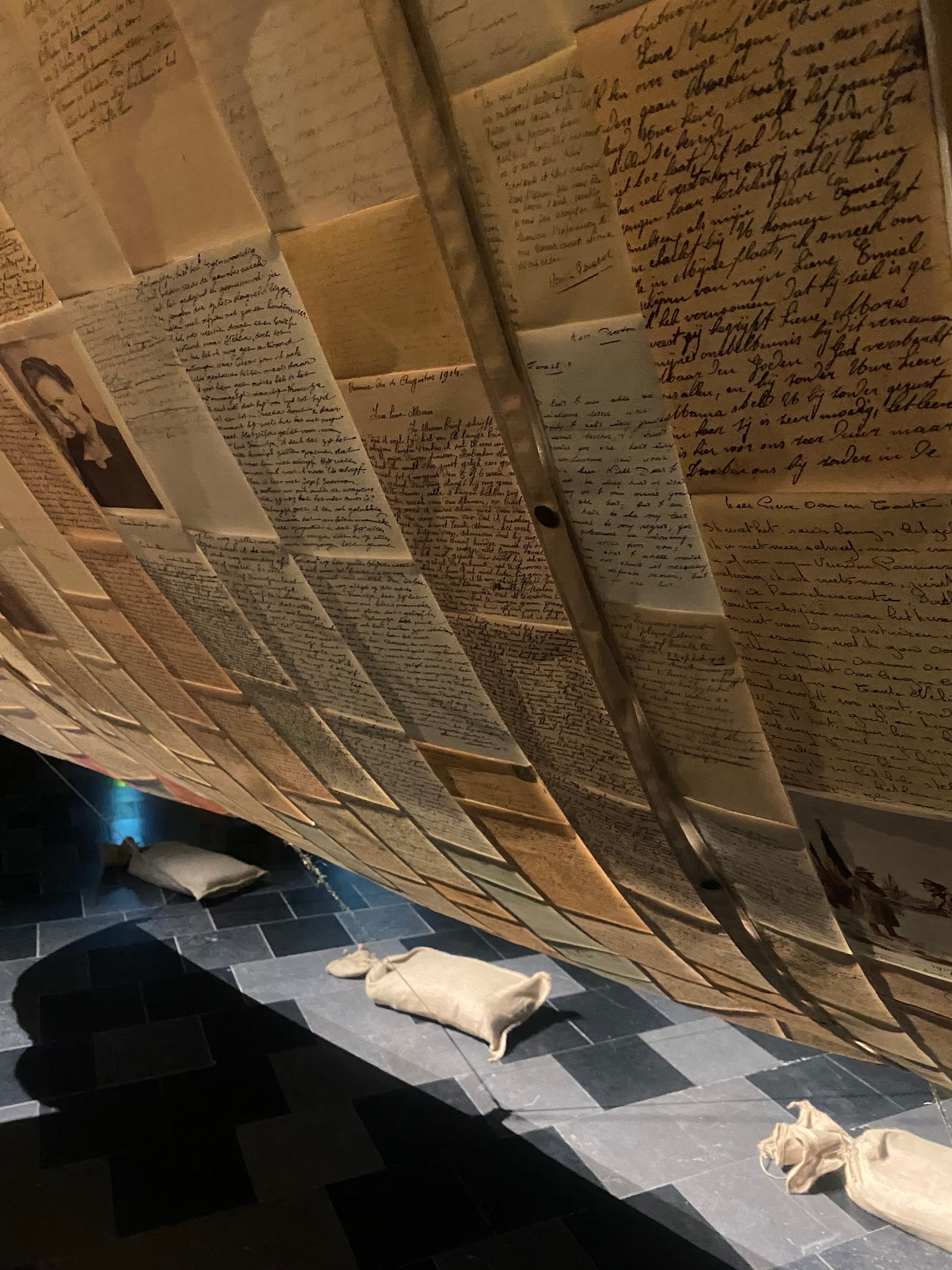
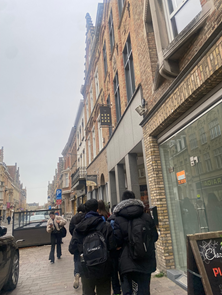 We also went to the 'In Flanders Museum', which was an unforgettable experience. The atmosphere brought the history of World War One to life. The museum was thoughtfully designed with its interactive exhibits. We wandered through displays filled with artefacts, letters and photographs that told the stories of soldiers and civilians impacted by the war. The emotional letters of family members writing to their sons, brothers and husbands made us feel a deep sense of respect and gratitude for those who lived through such challenging times. It was one of the highlights of the day.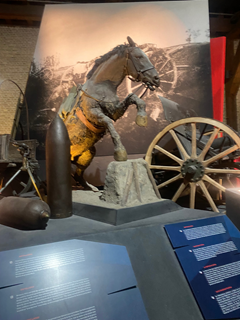
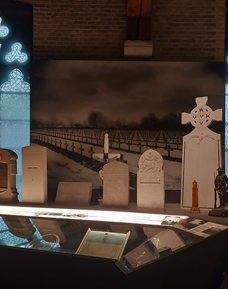 After this we travelled to Tyne Cot cemetery, which is the largest site in the world commemorating Commonwealth soldiers. This cemetery was much larger than Langemark and all gravestones were the same regardless of rank - reminding us that everyone made the same sacrifice for the war.