
.jpeg)
BGS Model United Nations team at the Interschool Model United Nations Conference
Published 08/07/26
On Thursday 2nd July, selected students of the BGS Model United Nations team had the privilege of attending Dartford Grammar School for Boys' Interschool Model United Nations conference.
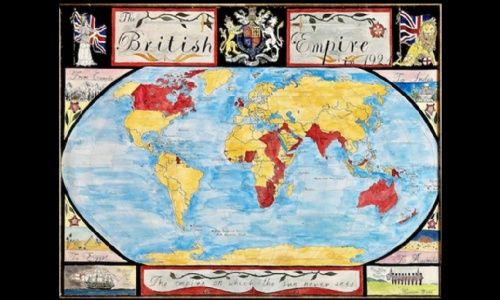
 The contribution of nations within the British Empire was immense, and it is now generally accepted that without it, Britain would have found the conflict more difficult.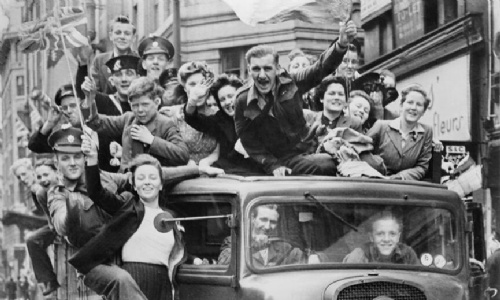
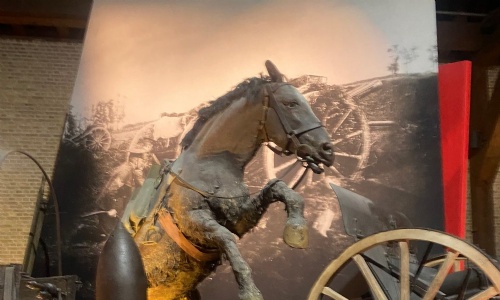
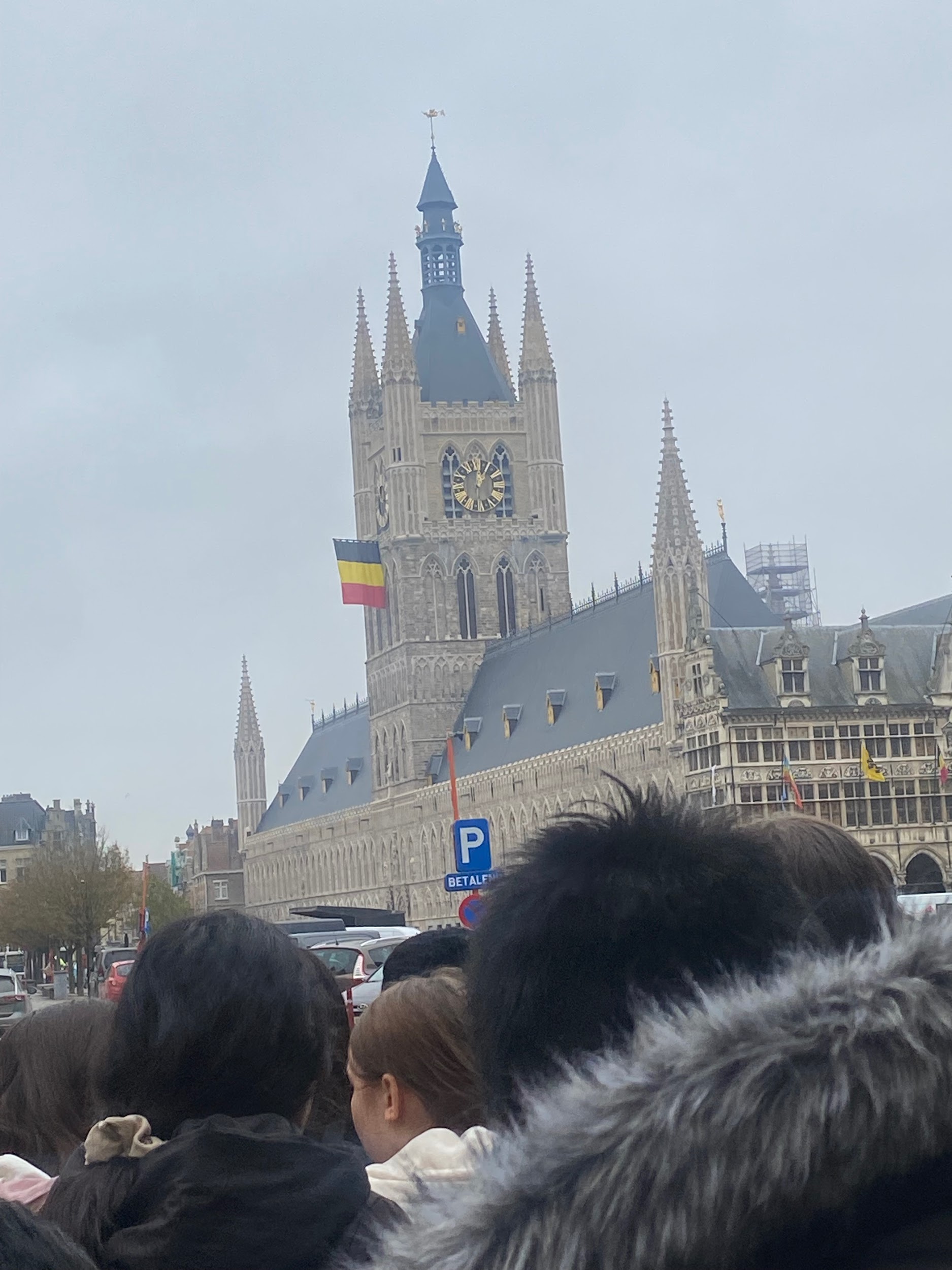
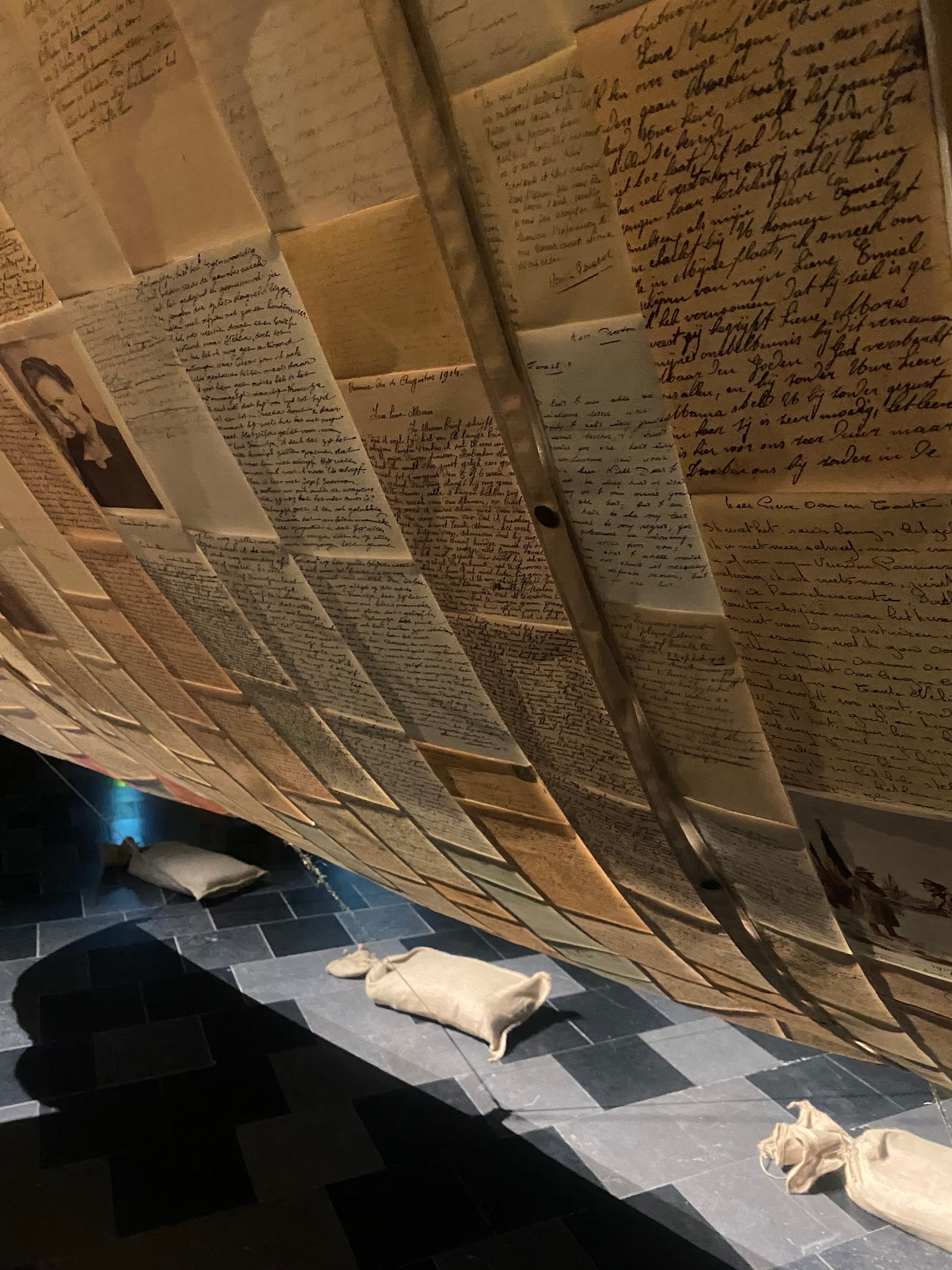
 We also went to the 'In Flanders Museum', which was an unforgettable experience. The atmosphere brought the history of World War One to life. The museum was thoughtfully designed with its interactive exhibits. We wandered through displays filled with artefacts, letters and photographs that told the stories of soldiers and civilians impacted by the war. The emotional letters of family members writing to their sons, brothers and husbands made us feel a deep sense of respect and gratitude for those who lived through such challenging times. It was one of the highlights of the day.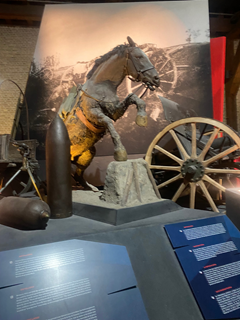
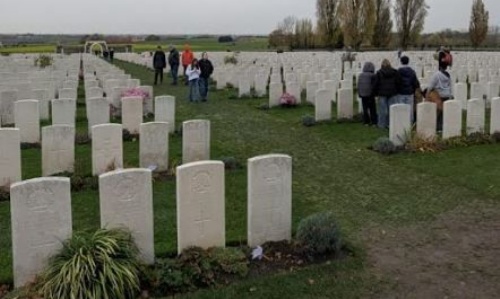
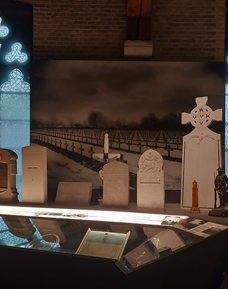 After this we travelled to Tyne Cot cemetery, which is the largest site in the world commemorating Commonwealth soldiers. This cemetery was much larger than Langemark and all gravestones were the same regardless of rank - reminding us that everyone made the same sacrifice for the war.

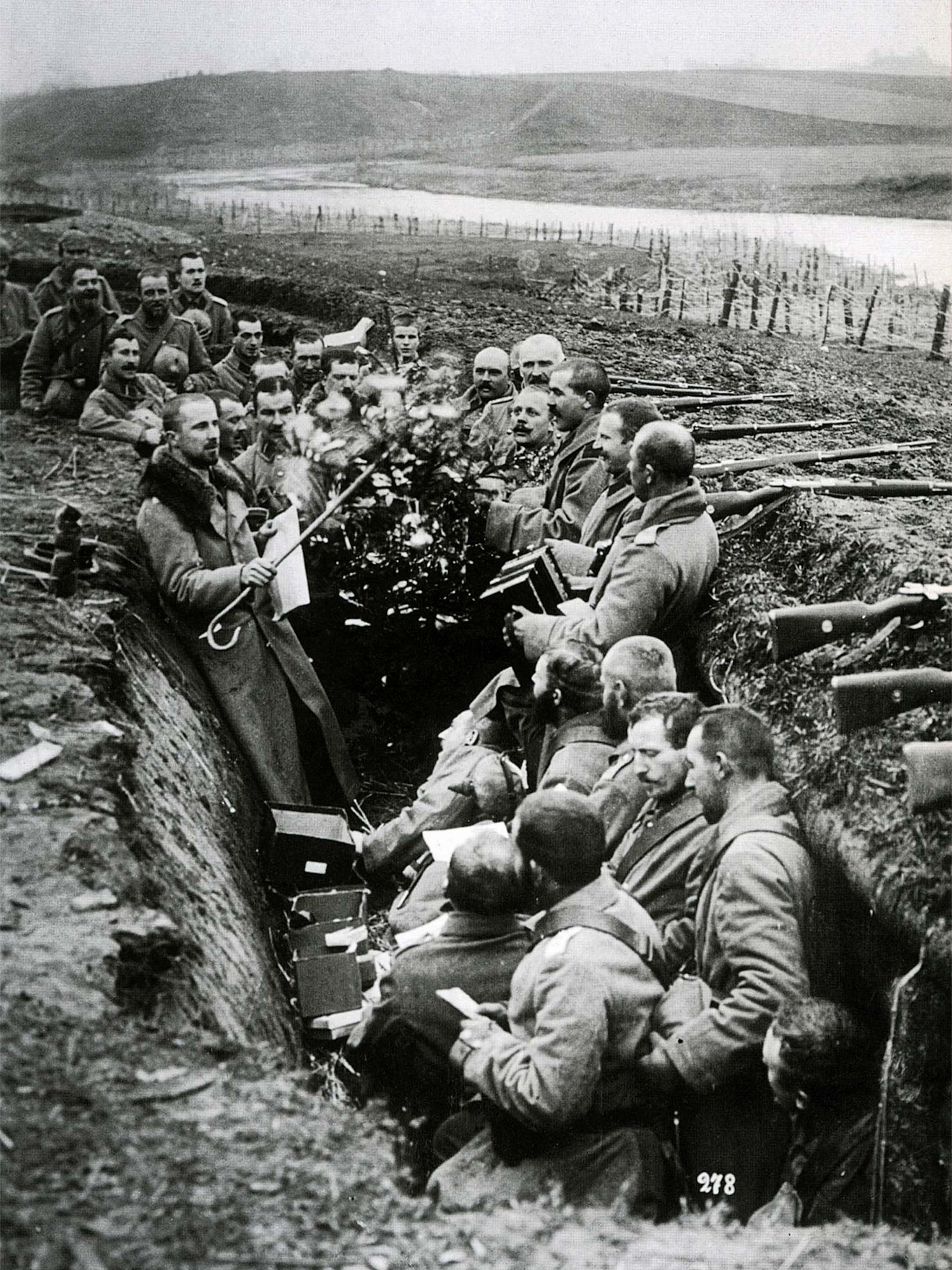 By Christmas, the soldiers on both sides were exhausted and weary of the constant warfare, with many of them having signed up in the early months & being excited by the opportunity to serve their country but now wanting to return home to their families and leave the damp and cold trenches where there was constantly the threat of having to go “over the top” into no man’s land and face almost certain death from enemy fire. The truce was spontaneous, and it began with German soldiers beginning to decorate their trenches with simple Christmas trees and to light candles and sing carols, and there were even some reports that the Germans began to shout across no man’s land, wishing the English “Merry Christmas” in broken English, and although British troops were initially hesitant they eventually began to sing Christmas carols in response being swept along by the mood of the Germans and thinking of loved ones back at home.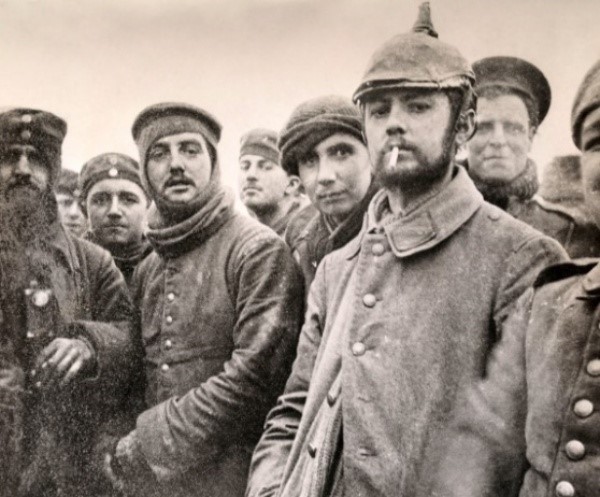
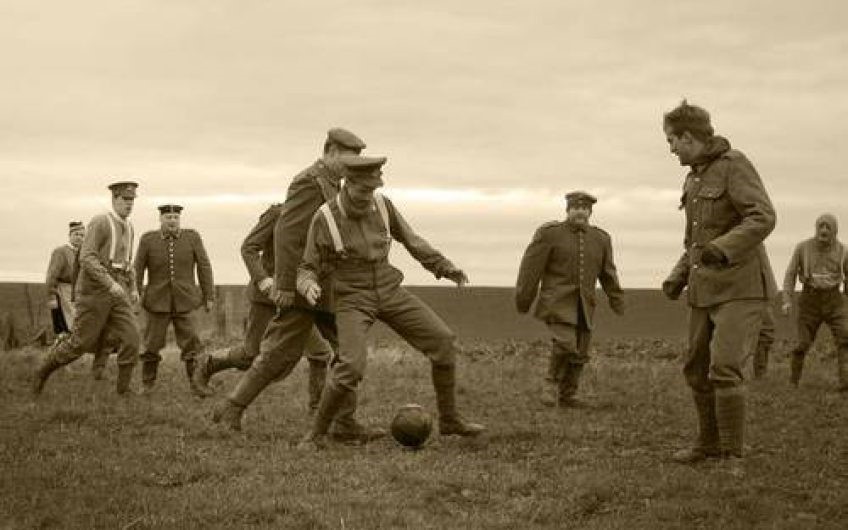
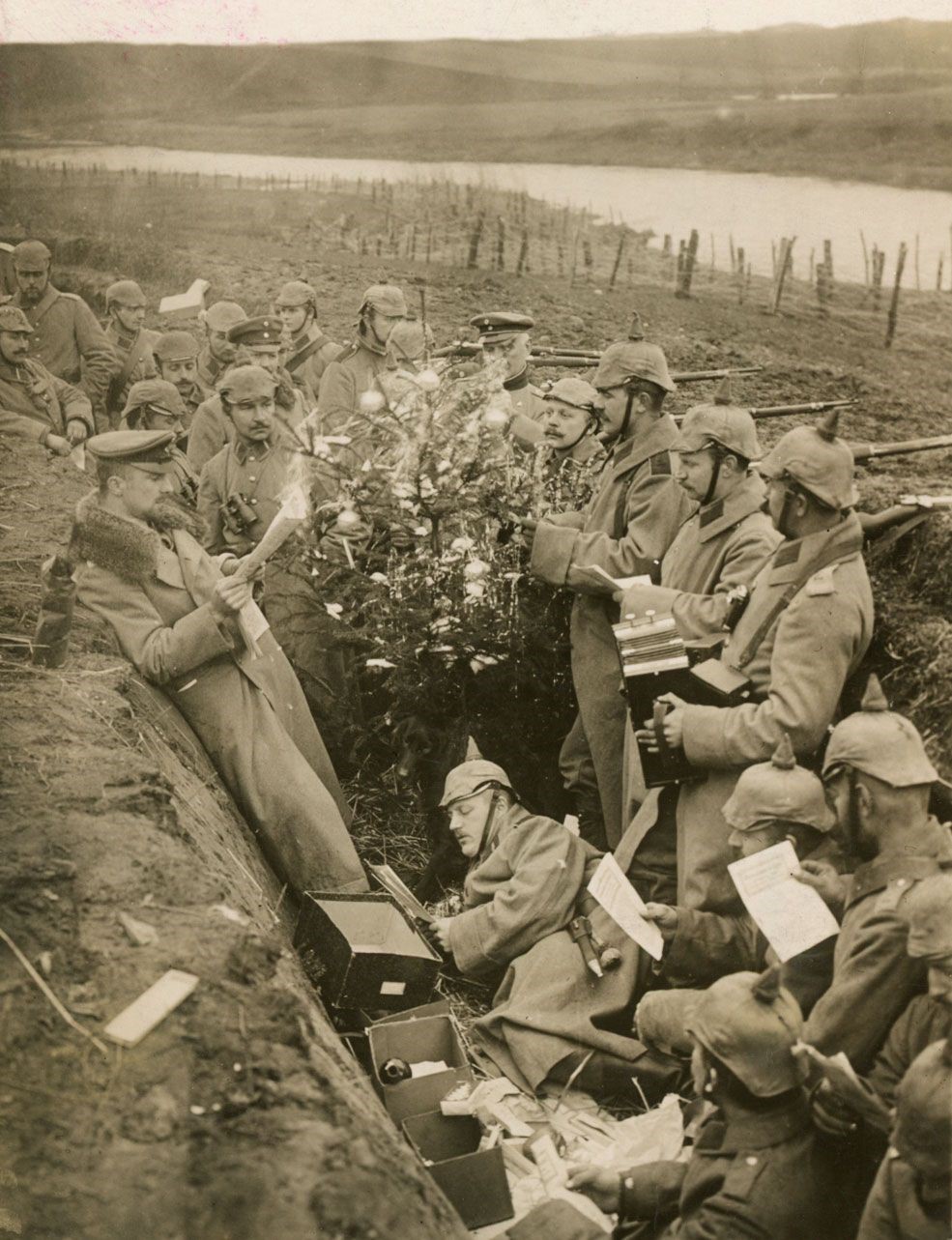 It is important to remember, however, that the truce was not universal along the whole of the front line and there were still areas along the front where fighting continued with commanding officers on both sides concerned that the truce would undermine their authority and the morale of the soldiers fighting in the war, and they were quite anxious that it should be brought to an end as quickly as possible. The truce where it took place did not last for a long time and in most cases, within one or two days it came to an end with soldiers being forced back into their trenches and fighting on the front line resuming. It did, however, have a lasting impact and for those soldiers who were involved it proved to be a very emotional experience as it raised questions about the futility of war & what they were fighting for, which became stronger as time passed.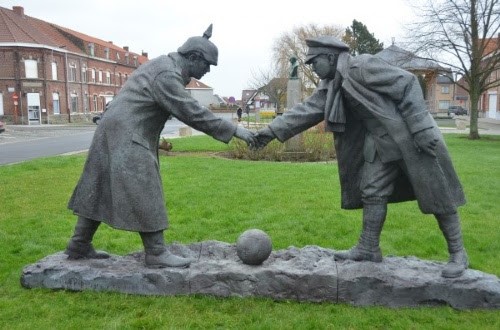
.png)

 My Brothers Have Not Read Little Women
 Moxie - Netflix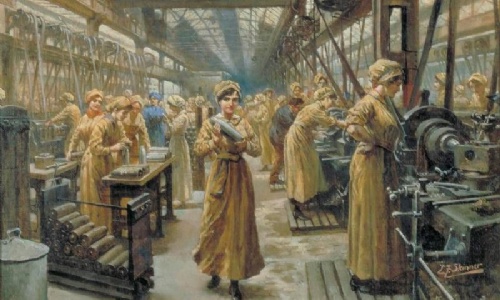
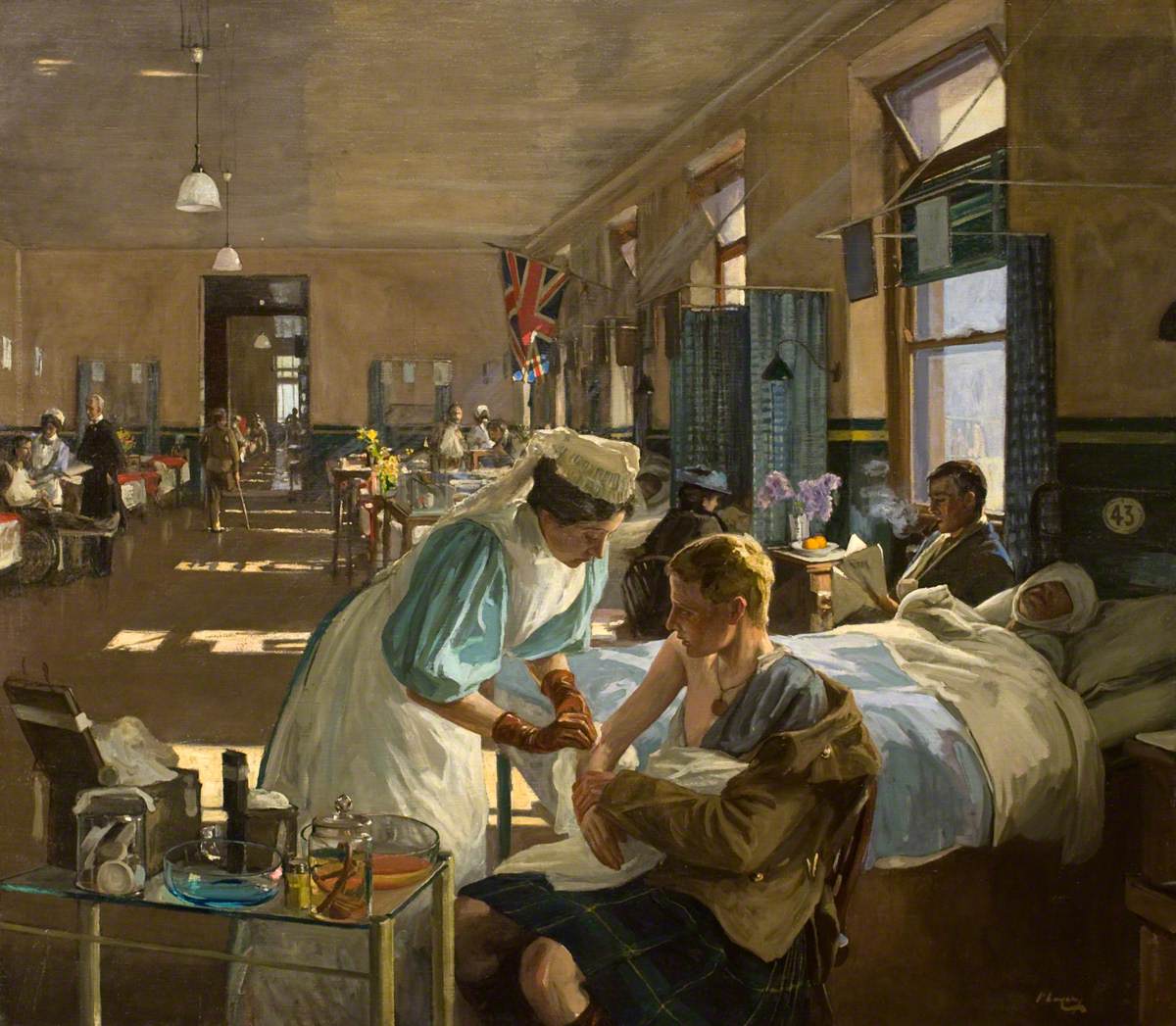 Women were not allowed in military service at this time and their contributions and experiences in the conflict, whether in terms of working in munitions factories, helping wounded soldiers or taking an active part in other aspects of war work, has often been neglected.
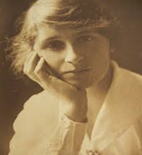 Born in 1893, Vera Brittain in Newcastle-under-Lyme in Staffordshire would have a distinguished career as a writer and feminist during the 20th century, with her ideas and beliefs being very much shaped by the experiences she had as a young woman during World War I which she wrote about in “Testament of Youth”.
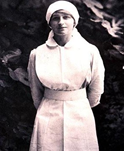 In 1915, Vera took the decision to delay her studies to work as a Voluntary Aid Detachment nurse, which was disapproved of by her parents in the same way as her desire to go to university had been and, over the course of the next three years, she served in hospitals in Buxton, London, Malta, and France. Part of the reason for Vera deciding to leave Oxford and join the VAD was the fact that her younger brother Edward had enlisted in the armed forces along with his friends from school, Roland Leighton (to whom Vera became engaged), Victor Richardson and Geoffrey Thurlow, all of whom she developed close emotional ties.
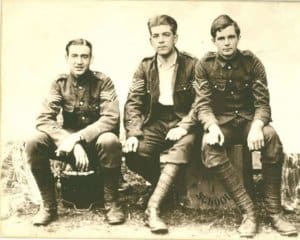 Tragically, in December 1915, Roland Leighton was killed by snipers on the Western Front while attempting to repair barbed wire on the front line in France and, as a strategy of dealing with her grief, Vera concentrated on her work as a nurse and helping wounded soldiers, especially as her brother Edward was going to France. Over the course of 1916, Vera kept in touch with her brother Edward, who was injured at the Battle of the Somme, and Victor Richardson and Geoffrey Thurlow, who were also injured out of the conflict, before Thurlow died in military action in April 1917 and Richardson as a result of his injuries in June of the same year.
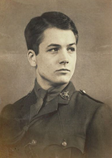 During all of this time, Vera continued to serve with the VAD, being stationed in France and Malta, keeping in touch with brother Edward on a regular basis through letters, particularly as he was moved from the Western Front in France after the battle of Ypres (Passchendaele), to the Italian Front. In June 1918, Edward Brittain led his men on a counterattack against enemy Austrian forces on the front line after suffering heavy bombardment, but was shot through the head by a sniper & died instantaneously after having survived so many other attacks in the war.
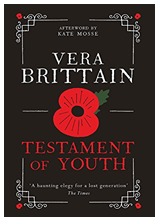 As a result of her experiences as a nurse in the Voluntary Aid Detachment & the deaths of her brother, fiancé and two close associates (Edward, Roland, Victor, and Geoffrey), Vera became a committed pacifist following the end of the war in 1918, writing up her experiences of this time in “Testament of Youth”. After the war, Vera returned to Oxford to complete her studies and, although she switched from English Literature to History, she went on to become an acclaimed writer, although the poem “Perhaps” which she wrote following the death of Roland Leighton in 1915 & dedicated to him remains a powerful epitaph to all loss in war.
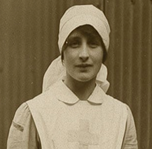 Although Brittain did get married and have children during the 1920s, it is widely believed that the tragedies of the deaths of Roland Leighton, Edward Brittain, Victor Richardson and Geoffrey Thurlow remained with her all her life until her death in 1970, especially the death of Roland Leighton as indicated in “Perhaps”.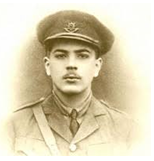
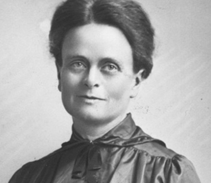 Eliza “Elsie” Inglis was born in 1864 in India, which at the time formed part of the British Empire, where her father was a magistrate who worked for the Indian Civil Service and, over the course of her life, would qualify as a doctor and become a medical surgeon, both of which were highly unusual for women at this time.
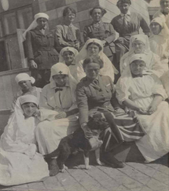 Although Elsie was over 50 by the time the conflict started, this would be the part of her life to which she would make the greatest contribution, setting up the Scottish Women’s Hospitals for Foreign Service Commission to provide medical support for the British Armed Forces fighting in Europe. In spite of considerable opposition and a lack of financial support from the British authorities, Inglis was able to send 14 all-female teams of doctors, nurses and technical support teams to Belgium, France, Serbia and Russia, which was very remarkable after originally being told “my good lady go home and sit still”.
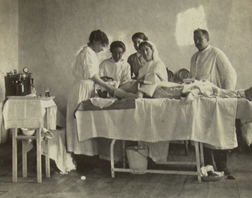 Elsie herself went to support the war on the Serbian Front in Southeastern Europe, working to improve hygiene amongst the soldiers, resulting in outbreaks of typhus and other epidemics being reduced significantly, although she was captured by German and Austrian forces and repatriated to Britain in 1916. The experiences Elsie faced in Serbia did not deter her from entering conflict zones and, in the same year, headed for the Russian Front in Eastern Europe and set up a hospital at Braila in Romania in which just 7 doctors, including herself, came to be responsible for treating 11,000 wounded soldiers and sailors.
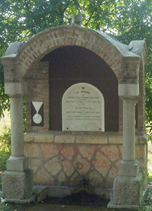 In 1917 Elsie was forced to return to Britain, having contracted bowel cancer and died shortly after arriving back in the country, although by this time her efforts in the war had been recognised by politicians in Britain and Serbia and in the latter she became the first woman to hold the Serbian Order of the White Eagle. After the death of Inglis in 1917 a memorial fountain was constructed in the town of Mladenovac in Serbia where her hospital had been set up during World War I and had helped save the lives of many Serbian soldiers fighting for the Allies against Germany and Austria in the conflict.
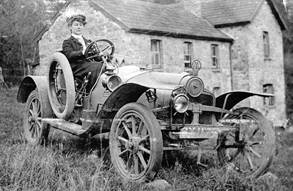 After she had completed her formal education at school, Flora trained with the First Aid Nursing Yeomanry (FANY), which was founded in 1907 as an all-women mounted paramilitary organisation in which its members learned first aid as well as horsemanship, together with military aspects such as signalling and drill. In 1910, Flora left the First Aid Nursing Yeomanry and helped establish a new organisation called the Women’s Sick and Wounded Convoy Corps with its purpose being to assist soldiers in war zones, and in 1912 it saw service in Bulgaria and Serbia during the First Balkan War.
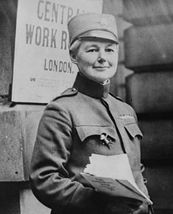 With the outbreak of the First World War in 1914, Flora volunteered to become a nurse, but she was rejected because of a lack of qualifications and instead joined a St John Ambulance unit and left Britain for Serbia on 12th August with 36 women to try and assist the crisis which had developed in this part of the war. On arriving at Kragujevac in Serbia, which was a base for the Serbian army which was attempting to prevent the Austrian army from conquering the country, Flora joined the Serbian Red Cross and became a nurse and ambulance driver providing medical assistance to injured soldiers in the conflict.
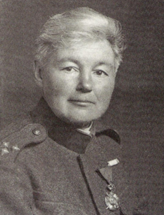 Inspired by some of the Serbian soldiers whom she met, it was suggested to her by them that she was wasted as a nurse and that she should enlist as a soldier and during the course of 1915 she attempted to get to the front line and eventually joined the ambulance of the Second Serbian Regiment at Babuna Pass. Following a Serbian retreat through Albania as a result of an Austrian offensive, all the other ambulance staff either fled or were killed and, as Flora could no longer make herself useful as a nurse, she was enrolled as a private in the Serbian army and before long proved herself effective, being promoted to corporal.
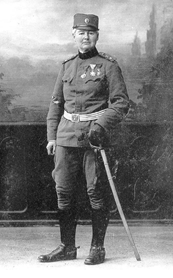 In 1916, Flora was seriously wounded by a grenade during a Serbian attack after displaying considerable bravery for which she was rewarded with the Order of the Karadorde’s Star, which was the highest decoration of the Serbian military, and was promoted to the rank of sergeant major, receiving a number of medals. As Flora was unable to fight, she wrote her autobiography on her experiences and helped raise funds for the Serbian Army as well as running a hospital for injured Serbian soldiers, and after the war, a law was passed in Serbia making Flora Sandes the first female commissioned officer in the army.
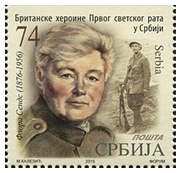 After the war, Flora married a Russian émigré from the Revolution of 1917 and the couple lived in France for a time before returning to Serbia, which was now part of the new country of Yugoslavia, although after the death of her husband in 1941, Flora returned to live in Britain, where she died in 1956. Flora Sandes is unique in the sense that she remains the only British woman to officially serve as a soldier during the First World War, breaking all the rules and protocols of the time regarding the role of women in society and in conflict and successfully challenging the British government, which did not want her to serve.
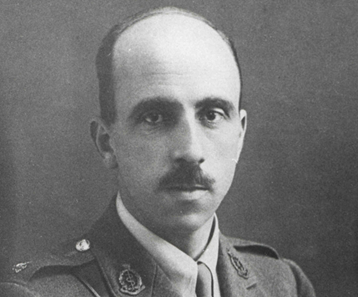 Harold Gillies:
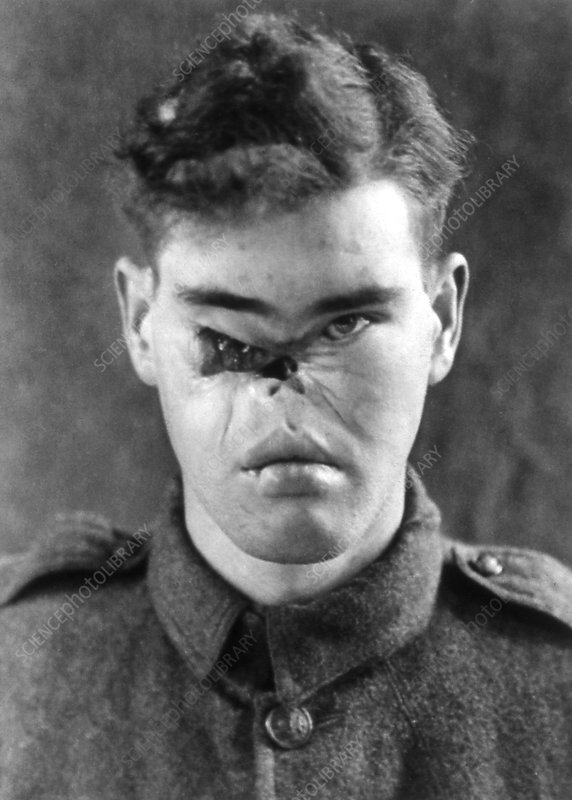 It was during his time in France that Gillies was introduced to the ever-increasing severity of facial wounds sustained by those fighting in the War: an increase indubitably a result of the emergence of new forms of weaponry.
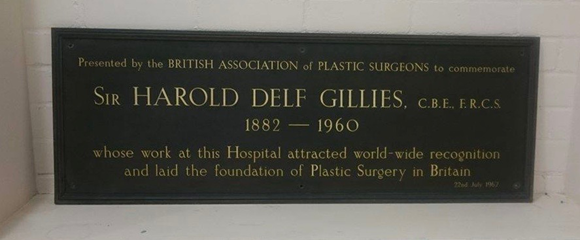 The Queen’s Hospital
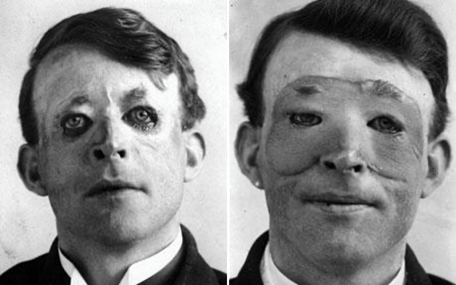 Usually, most skin grafts involve taking a flap of skin elsewhere (known as a “Pedicle”) and wrapping it around the wound without severing the flap’s connection to the body. This traditional technique was successfully performed in 1917 on Walter Yeo (right), a naval officer who had lost both eyelids in 1916 at the Battle of Jutland.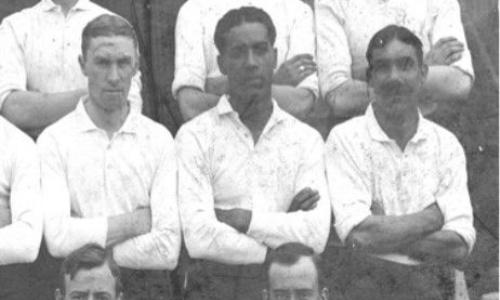
 g the grandson of a slave with his father having arrived in the country from Barbados in 1876, although his mother died when he was just 7 years old and Tull & his brother Edward were sent to a Children’s Orphanage in Bethnal Green.
 other siblings & the two older boys were seen as liabilities that the family could not afford.
 ted footballer and when he was 20 in 1908 he had a trial for local amateur team Clapton in the East End of London and was picked to play for them and after just one season he had made such an impression that he was spotted by talent scouts who were looking for new players and signed up by Tottenham Hotspur from the First Division (top flight of football in Britain at this time) For this he received a signing on fee of £10 and a wage of £4 a week.
 The move of Walter Tull to Rangers never took place because of the outbreak of the First World War in 1914 resulting in his decision to join the army as a member of the Football Battalion and within a relatively short period of time he was promoted to the rank of sergeant indicating his leadership potential.
 Walter Tull was sent to the officer training school at Gailes in Scotland and in spite of military regulations which stated that “any negro or person of colour” could not be an officer Tull received his first commission as a Lieutenant in May 1917 and in doing so became the first Black combat officer in the British Army.
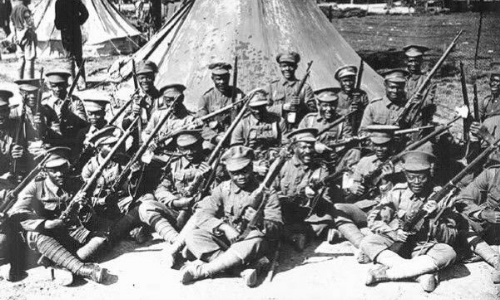

 This year, I’m also choosing to highlight those who aren’t always celebrated on Remembrance Day. Soldiers on the battlefield faced great struggles; however, women left on the Homefront also faced problems and overcame them with admirable courage. These issues included food shortages, bomb strikes and a crippled economy. Fear and hardship were rife at home, yet those who suffered are often forgotten on Remembrance Day. Girl Guides picked up shovels and grew food for the whole nation; children knitted socks for soldiers;
 women became farmers, train drivers and factory workers. The bravery they displayed in face of great upheaval should not be forgotten, but celebrated alongside the actions of brave soldiers for their contribution in winning the war.
 their truth, and they remain forgotten. By choosing to highlight their bravery this Remembrance Day, we do not diminish the actions of British soldiers but instead embrace the strength and courage shown by all those who contributed in World War One, regardless of race and nationality.


