The Great Gatsby ‘Culture Club’ Trip
Published 08/07/25
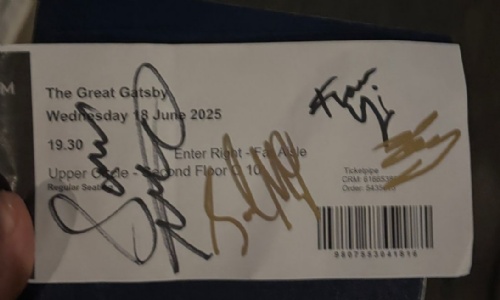
Last week, we had the opportunity to see The Great Gatsby musical at the London Coliseum.
Last week, we had the opportunity to see The Great Gatsby musical at the London Coliseum.
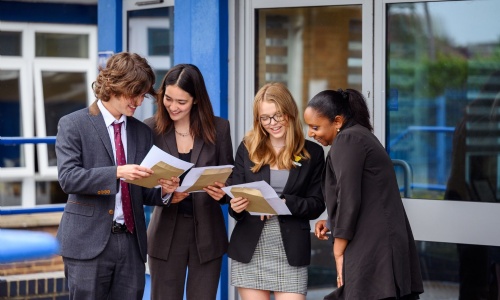
Congratulations to our Year 13 IB students and their teachers for the IB results, which were released on Saturday 5th July 2025. We're very pleased to continue to maintain high standards at BGS, and an impressive average point score of 34 points.
Of special note this year are the proportion of grades awarded at 7-6 (47%) and 7-5 (83%); these represent the best results achieved by students since the school became a fully IBDP sixth form, 8 years ago. If we consider grades awarded in Higher Level subjects alone, these proportions are even greater, 7-6 (53%) and 7-5 (85%). With 168 UCAS points equating to 3 A* grades at A level, you can see from the table below that our students have once again gained a qualification of great academic value.
As well as the school wide results being extremely pleasing, we also had some excellent individual results. One student, River Wattret, gained full marks - 45 points - in his Diploma. This perfect score is typically gained by less than 0.5% of all IBDP students globally, which is a phenomenal achievement. A further 8 students gained a score of 42 points or more, which would typically place them in the top 5% of IBDP students to have taken the diploma in the world this year. Ursule Goraviciute, Alexander Innes and Andy Yu all scored 43 points, while Jasreen Ghag and Summer Hewitt attained 44 points. These levels of excellence are quite astounding and the students should feel extremely proud of achieving these feats.
In destination news, the Sixth Form Team is working hard to help confirm places on many university courses and degree apprenticeships, while some students have already secured employment. So far we have 7 confirmed Oxbridge places and 9 students accepted on to Medicine, Dentistry or Veterinary Science courses. For those in need of any advice or support in taking their next steps please do contact the Sixth Form Team via the support form sent by the Sixth Form Team.
Congratulations, Year 13!
We are proud to share that three teams of Year 12 students took part in this year’s Royal Society of Chemistry Analyst Competition.
.jpg)
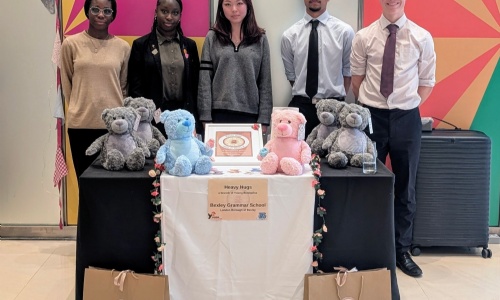
On the 18th April 2025, our team went to Clifford Chance to partake in the ‘Company of the Year’ Young Enterprise Competition.

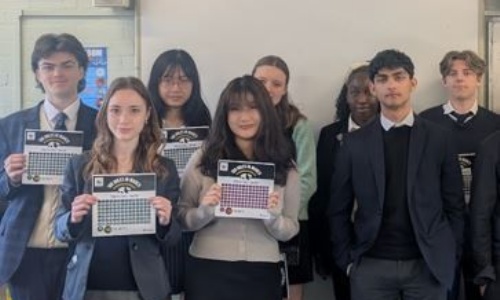
 Last month, 12DLH took part in the 100 Miles in March challenge to raise much-needed funds for WWF.
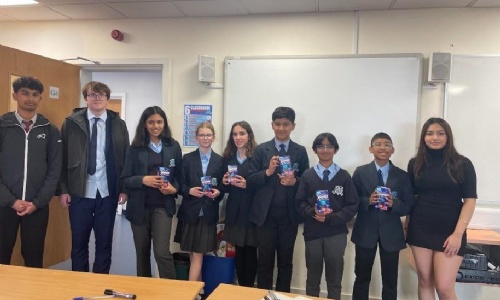
Our talented Year 12 Maths prefects hosted an exciting Maths Easter Egg Hunt that had the younger students in the Junior Maths Club buzzing with excitement!
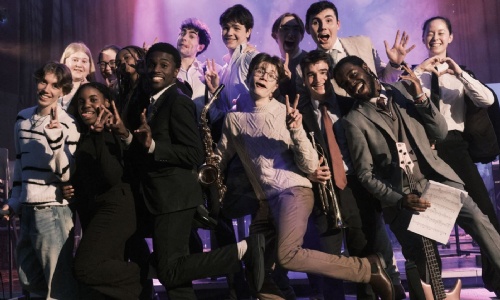
On Tuesday 25th March we held our BGS Spring Concert.
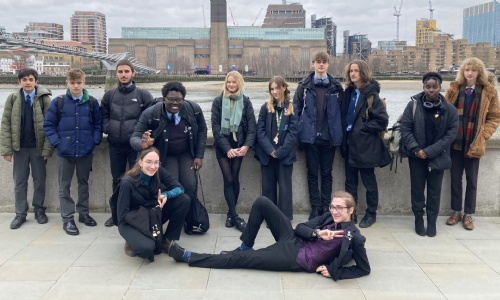
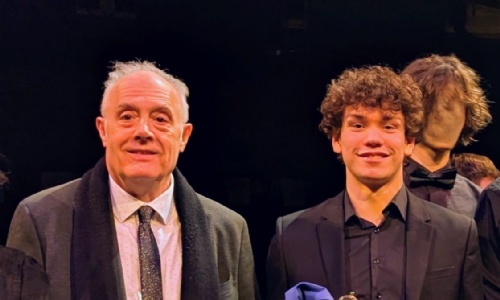
On Saturday 15th March, out of 40 applicants, 8 musicians performed in the final for the Bexley Young Musician 2025.